Svalbard in October: An Arctic Guide for First-Timers
A week at the top of the world
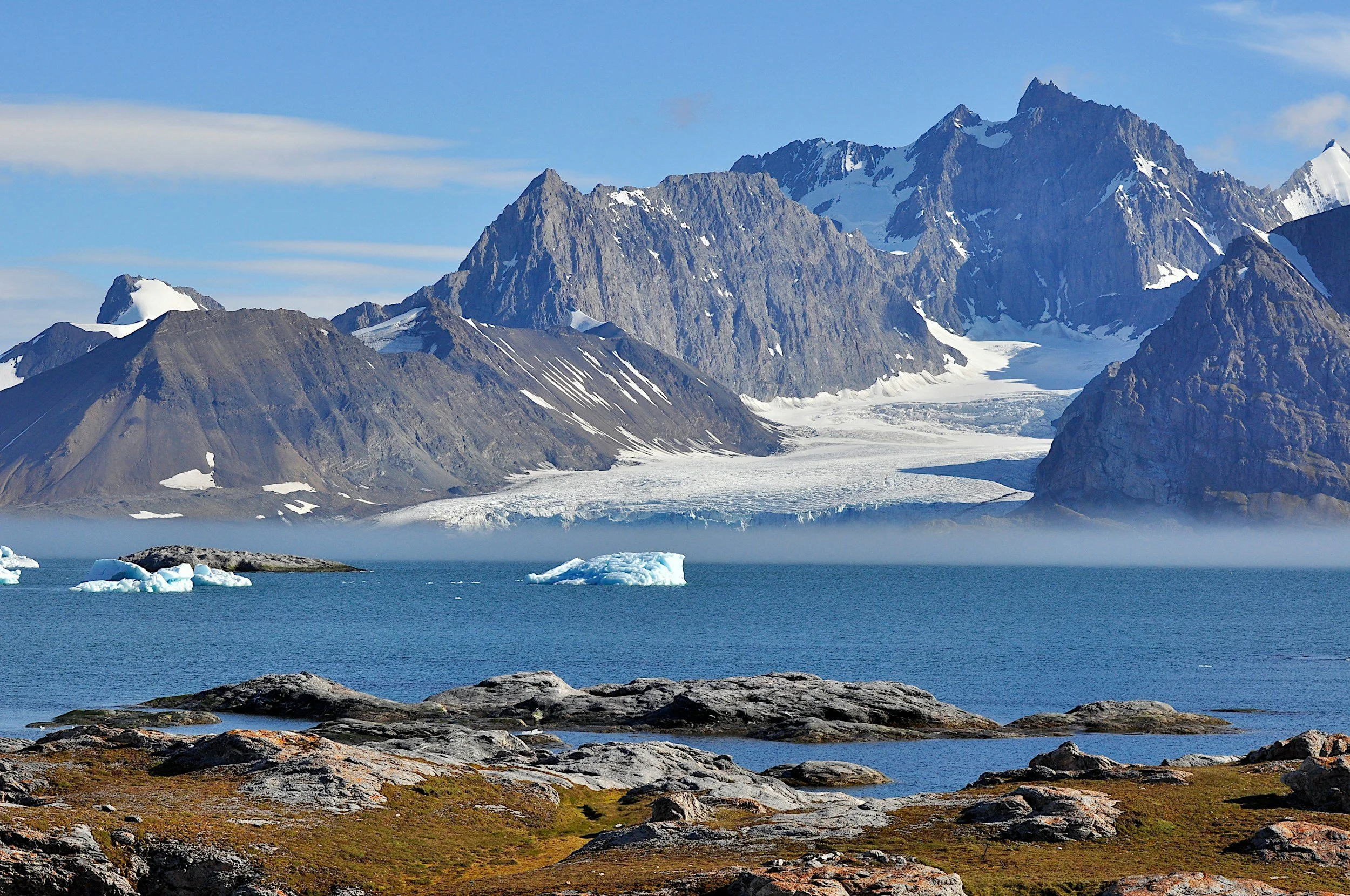
In Longyearbyen, you take your shoes off at the door of hotels and restaurants. It's an old mining-town habit, and it sums the place up: rugged on the outside, surprisingly warm once you're in.
Svalbard sits roughly halfway between mainland Norway and the North Pole, yet it's only a single connection from London. For travellers who want the Arctic without an expedition ship, a week based in town gives you huskies, glaciers, wildlife and, with luck, the Northern Lights.
This guide covers where to stay, the experiences worth building a trip around, and the honest access and packing notes I'd want before going.
Why October, and how to get there
October is Svalbard's in-between month. The midnight sun is long gone, and the polar night is approaching, so days are short and the light turns soft blue and pink for hours. Dark evenings bring a real chance of the Northern Lights, but there's still enough daylight for boat trips and hikes. Snow is usually starting to settle on the peaks while the valleys keep their autumn colour. Getting there is simpler than people expect. Flights from London connect through Oslo, and the onward leg to Longyearbyen takes about three hours. Leave a comfortable buffer at Oslo, as the Svalbard flights are limited and a missed connection can cost you a day.
Where to stay
In Svalbard, I keep it simple: one base for the whole week. Most tours collect you from your hotel, so you unpack once and let the Arctic come to you.
Funken Lodge, Longyearbyen
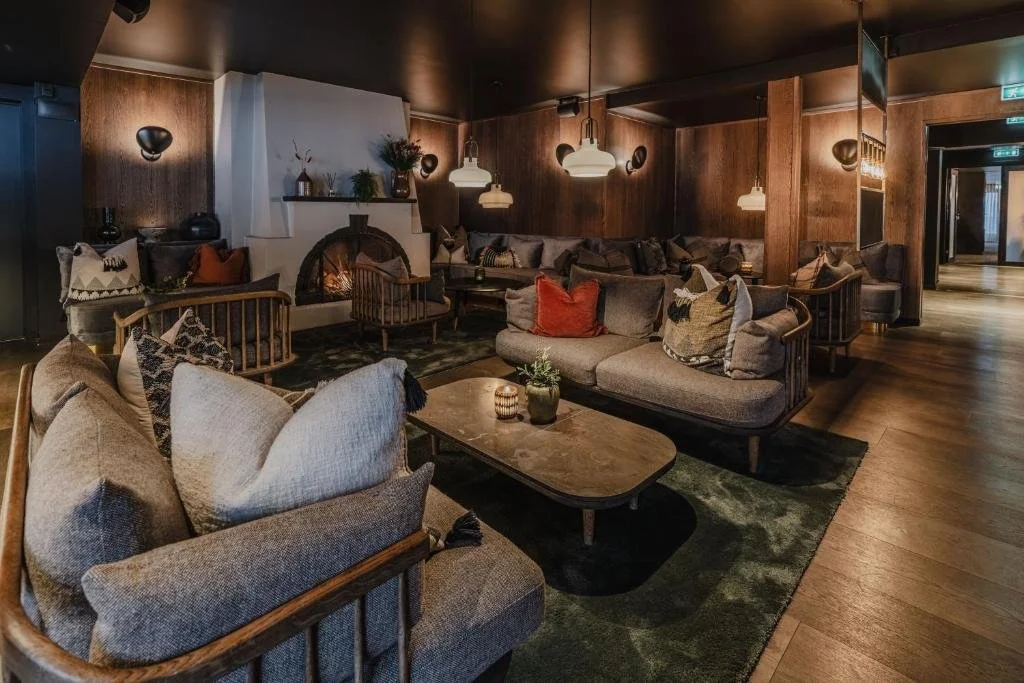
Photo courtesy of Funken Lodge
Funken is the stay I build this trip around. It's a historic building, once the most elegant address in the old mining town, renovated in 2017 to mark its 70th anniversary. The 88 rooms are calm and contemporary, the restaurant is one of the best in town, and the lounge is exactly where you want to be with a drink after a cold day out. It sits slightly above the centre, which gives you mountain and glacier views. One honest note: that also means a gentle uphill walk back from town, so factor that in if walking distances matter to you, or ask for a taxi.
Other good bases
Longyearbyen is small, and the handful of hotels in the centre put you a short walk from the museum, cafés and restaurants. For travellers who need a fully adapted room, accessible stock is limited across the whole island, so this is a trip where I'd always book early and confirm the room details directly.
If you'd like me to match the right room to your needs, that's exactly what I do.
Experiences worth building a week around
One rule shapes everything here: because of polar bears, you can't wander beyond the settlement without an armed guide. That's why nearly every experience is a guided group tour, and why pacing matters. I build in at least one or two free days so the week never feels like a timetable.
On land
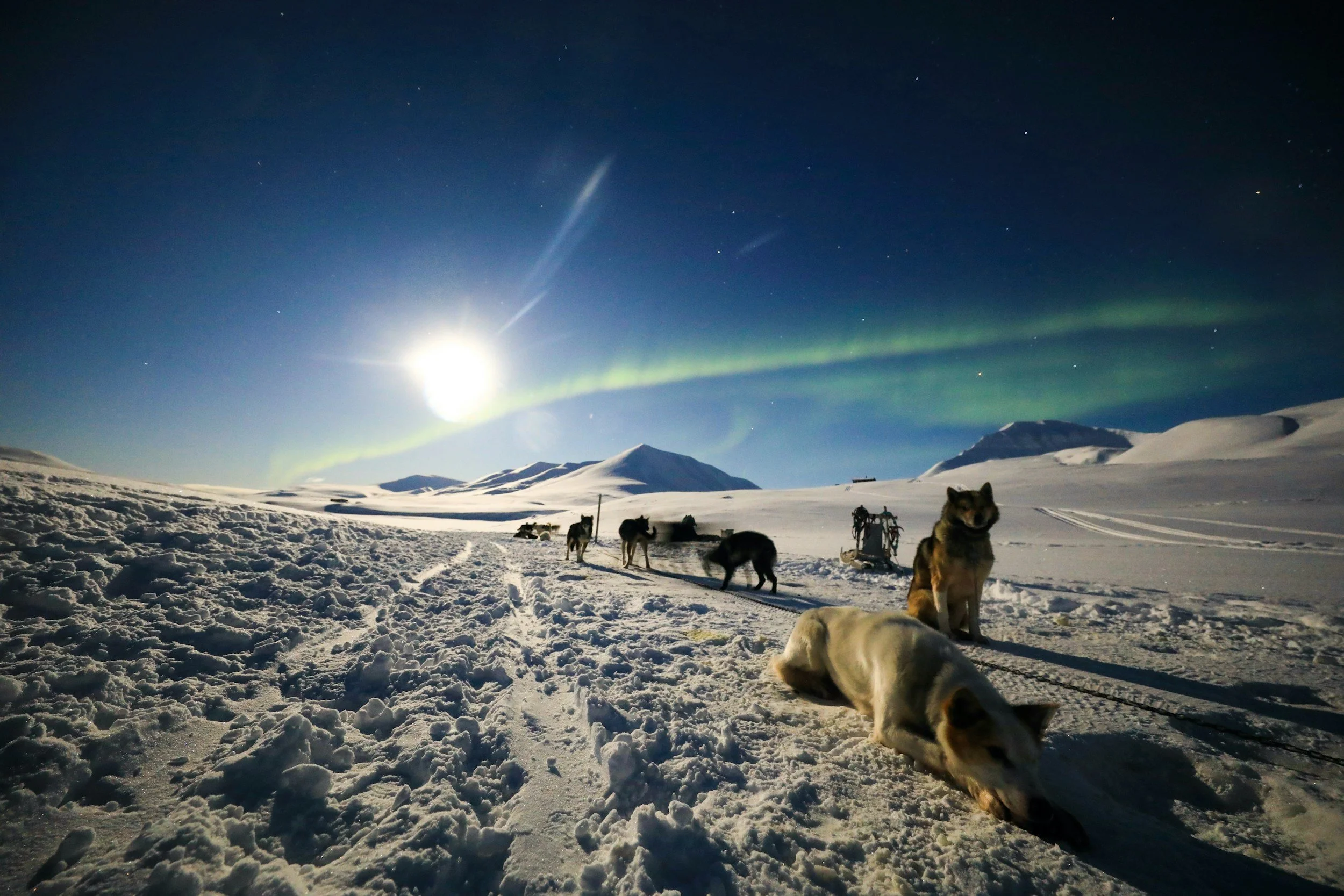
Dog sledding on wheels: Before the snow is deep enough for sleds, the huskies pull wheeled carts through Adventdalen. The dogs howl with excitement until the moment they start running, then go completely silent. The guide drives the lead cart and has space for anyone who would rather ride than drive, which makes this one of the more flexible outings.
ATV safari: Quad bikes take you out into Adventdalen, with stops at old mining sites and a good chance of spotting Svalbard reindeer. You'll need a valid car or motorbike licence to drive.
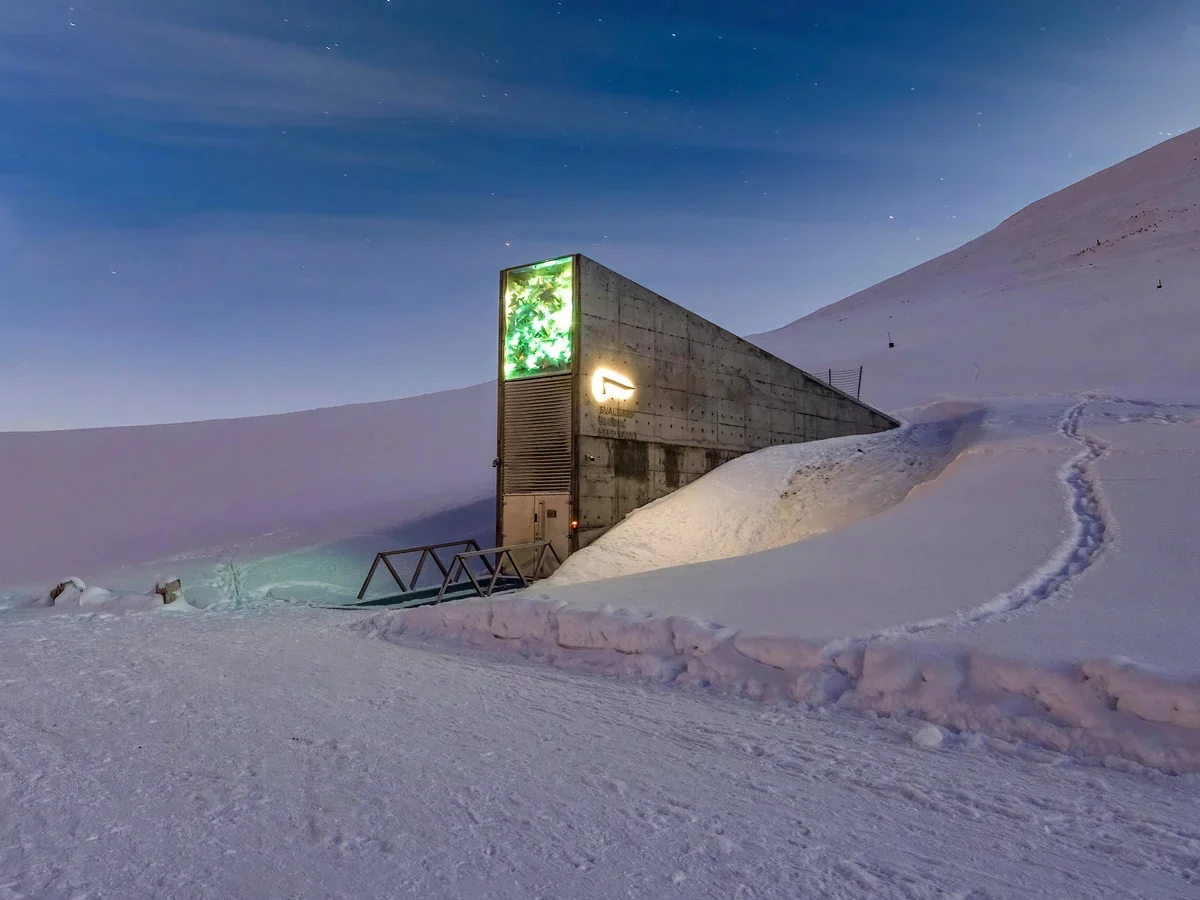
Blomsterdalshøgda and the Global Seed Vault: A guided hike climbs to about 320 metres for views over Adventfjorden and Isfjorden, then stops outside the entrance to the Seed Vault, which stores seeds from around the world. It's a proper uphill walk, so sturdy boots and reasonable fitness are needed. The vault itself isn't open to visitors, but the setting is striking.
On the water
A day on a hybrid-electric catamaran is my favourite way to see Svalbard's coast. There's no fixed route: the captain follows the weather and recent wildlife sightings, so you might see seals, walrus, whales or, with real luck, a polar bear. The boat runs quietly, which is better for the wildlife, and you can move between a heated lounge with big windows and the outdoor decks. That makes it a good choice for travellers who can't spend long in the cold.
In the evening
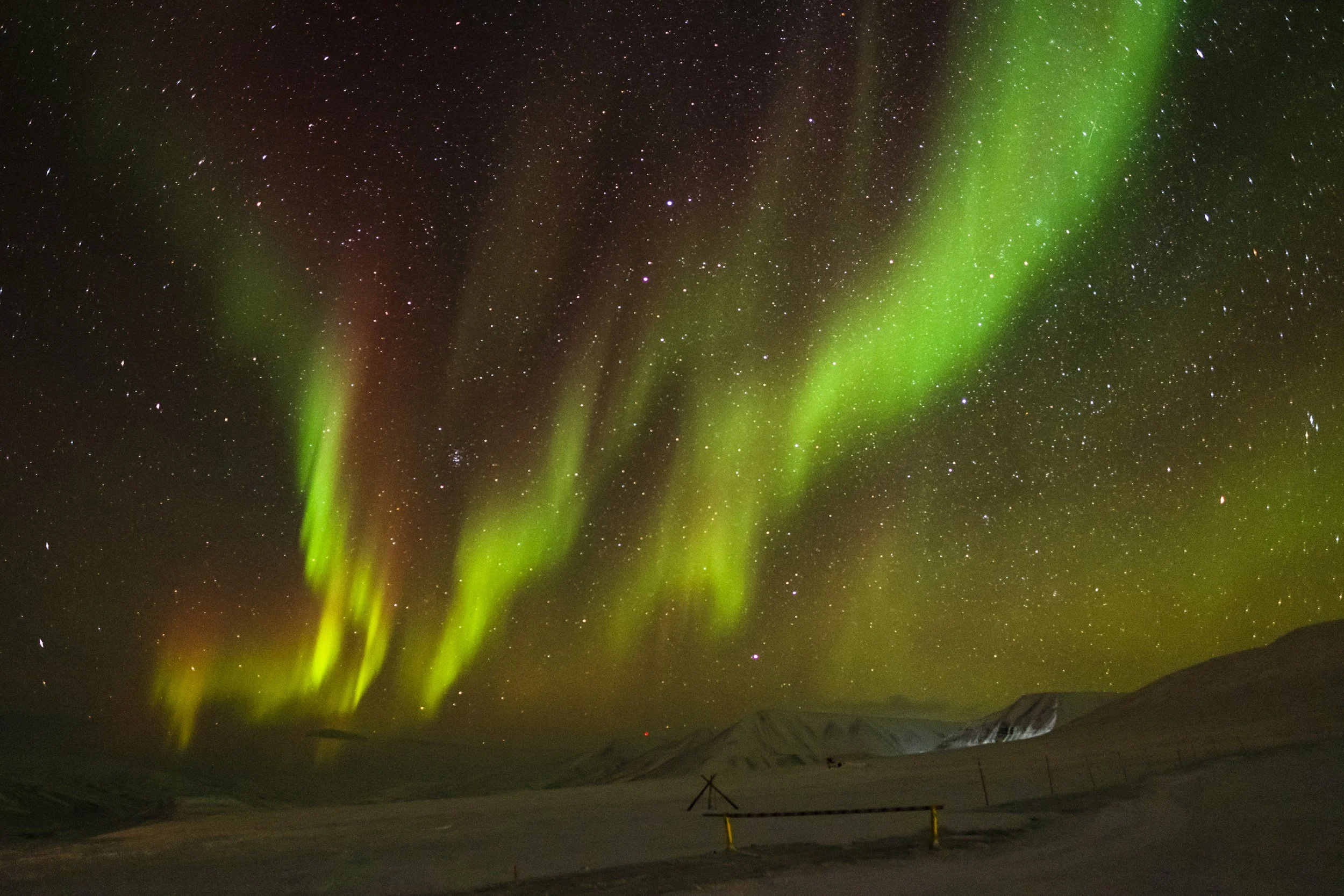
On a Northern Lights evening at Camp Barentz, you sit around an indoor fire in a replica of an explorer's 16th-century cabin, with warm drinks and a reindeer stew called bidos while the host explains the aurora. If the sky clears, you step outside to watch it, away from the town lights. Wear warm boots: the cabin floor can be draughty, and you'll smell of woodsmoke afterwards, in the best way.
In town
On free days, the Svalbard Museum is the place to understand the island's mining history, Arctic expeditions and wildlife. A walk up to Nybyen, the old miners' quarter on the edge of town, is lovely too. For something more lived-in, a guided tour of Huset tells the story of the building that served as the town's assembly hall, post office, school, church and cinema, with tasting bites from its kitchen. Huset has no lift, so this tour isn't wheelchair accessible.
Eat & drink
For a town of a few thousand people, Longyearbyen eats remarkably well. Vinterhagen and its fireside Peisen Bar are perfect for a long, slow dinner, and Huset is the classic special-occasion table, known for Arctic ingredients and an extraordinary wine cellar. For something more relaxed, Svalbar Gastropub is the friendly local favourite, Nuga Sushi is a surprise this far north, and Svalbard Brewery lets you try beer from the world's northernmost brewery.
For daytime breaks, Nordover combines a café with film and exhibitions, and Café Huskies is exactly what it sounds like: coffee and cake with dogs for company.
Everything on Svalbard costs a little more, because nearly everything is shipped or flown in. Book dinners ahead on weekends, as tables are limited.
Packing and good to know
Layer in wool: A wool base layer and thick wool socks, then a fleece or light down mid-layer, and a windproof, waterproof shell. Avoid cotton, which loses its warmth when damp.
Extremities: Wool hat, mittens, a buff or balaclava, and hand warmers. Pick boots roomy enough for thick socks, as tight footwear makes feet colder.
Indoor shoes: Many hotels and restaurants ask you to remove outdoor shoes, so slippers or light indoor shoes are handy.
Batteries: Cold drains phones and cameras fast. Keep a power bank in an inside pocket.
Hot drinks: Bring a thermos; water bottles can freeze on hikes.
Essentials: Shops are limited and expensive, so bring toiletries and any medication you need.
Extras: Binoculars and sunglasses earn their place, even in low autumn light.
Plan your Arctic week with me
Svalbard rewards good planning more than almost anywhere I work. Tours run on small numbers and flights are limited. That's the part I take care of, so you can spend your week watching the light change over the fjord. You come with the dreams. I'll make the plans.
