How I Planned an Accessible European Honeymoon
The brief
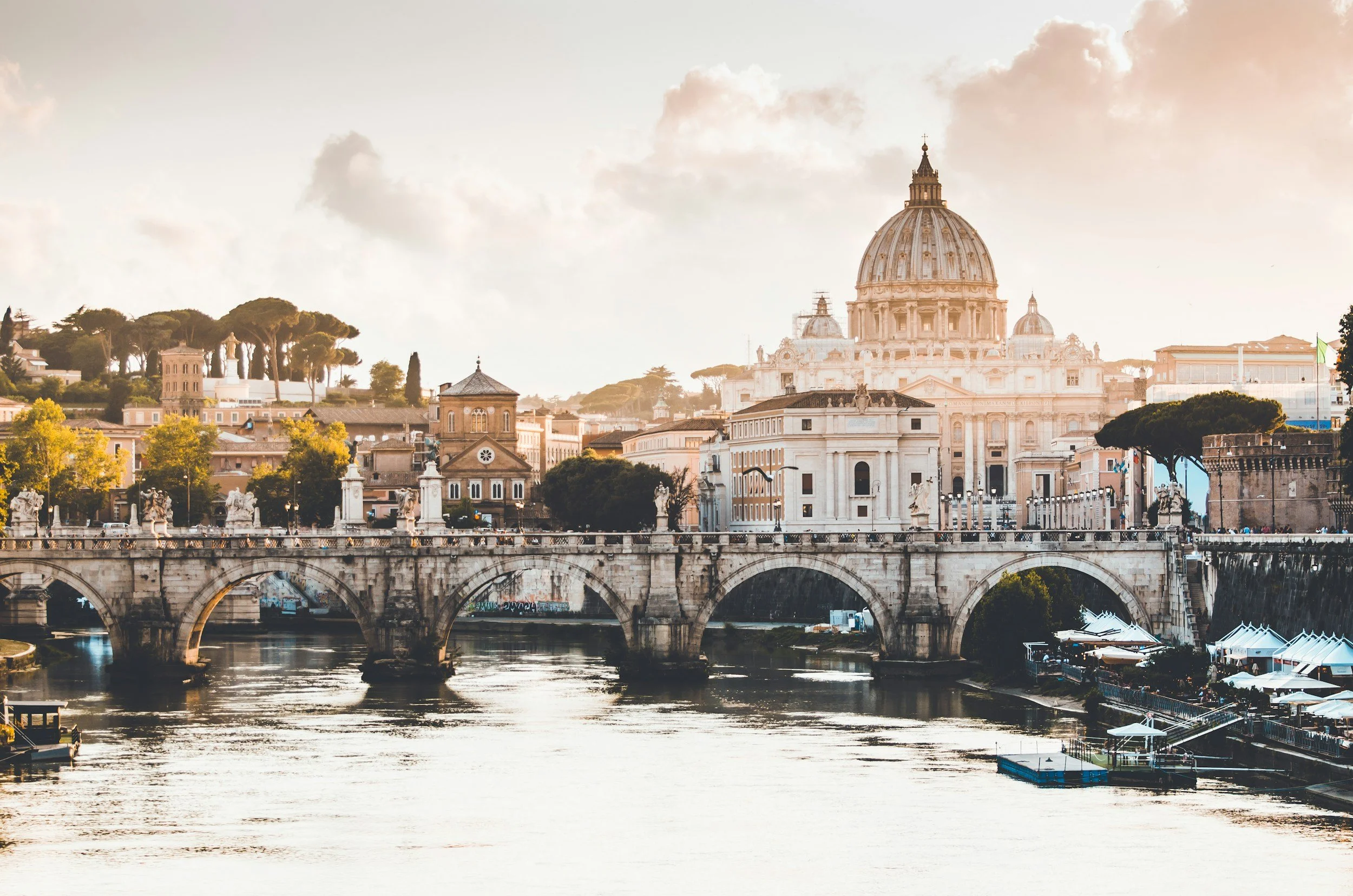
A newly married couple came to me with a wish list that read like a European postcard: Rome, the Swiss lakes and Paris, two weeks, in October. One of them uses a wheelchair.
Rome often gets written off as "too hard" for wheelchair users. I don't think that's true. I think Rome is hard when it's planned badly. So the real brief became: how do we give them every one of those postcard moments without a single day turning into a battle with cobblestones?
This is how I approached it. I've left out the bookings and the exact sequencing, because every couple's version is different, but the thinking behind it works for anyone planning an accessible trip through these cities.
How I shaped it
Three decisions did most of the work.
1. Location first, hotel second. In each city, I chose the neighbourhood before the hotel. A beautiful room on a cobbled lane is no use if every outing starts with a struggle. I looked for broad squares, smooth pavements and big sights within an easy roll.
2. Trains, not planes. Rome to Milan, Milan to Zurich and Zurich to Paris all run by high-speed or international train, in first class with a dedicated wheelchair space. Italy, Switzerland and France each have their own assistance service that meets you at the station and helps with boarding. It's free, but it has to be booked in advance, so I arranged it for every leg.
3. Drivers for the gaps. The sights themselves are often well adapted. The problem is the bit in between. Private transfers between key stops in Rome and Paris meant the couple only ever covered ground worth covering.
Around that, I kept the pace gentle: one main experience a day, with free afternoons and an arrival day to ease into each city.
Rome: the city that rewards good planning
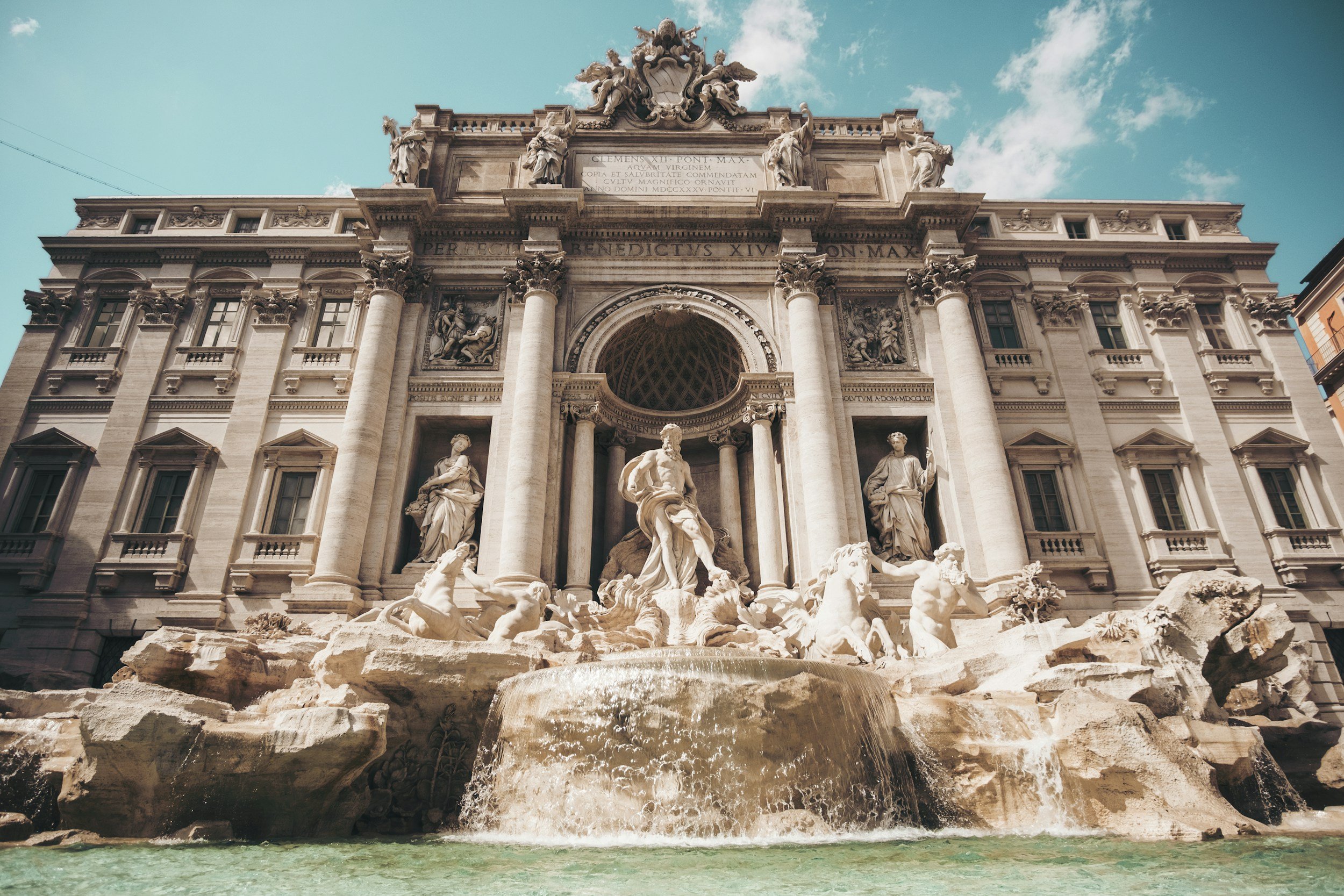
The golf cart solution. Rome's biggest access problem isn't the sights. It's the cobbled streets between them. A private golf-cart tour solves that beautifully: the Colosseum, the Forum, the Pantheon and the great piazzas, with a storyteller guide, stopping at accessible points for as long as you like. I put it on the first full morning, so the couple could get their bearings and decide where to return to later.
The Vatican, step-free. The Vatican Museums have a dedicated wheelchair route, using lifts and ramps all the way through to the Sistine Chapel. Wheelchair users are given priority entry, so let a member of staff know on arrival. St Peter's Basilica has a ramp on the right of the main façade, and most of the main floor is accessible. The route between the museums and St Peter's Square is smooth, with proper kerb ramps and no cobbles.
A food tour in the right neighbourhood. Rome's Jewish Quarter is one of the flattest and most manageable parts of the historic centre, and it's where much of Roman cooking began. A private food tour starting here works its way to the Pantheon through fried artichokes, pizza, a classic Roman pasta and, finally, gelato.
Honest notes. The Trevi Fountain square is cobbled, but a taxi can drop you close. The Spanish Steps are best enjoyed from the piazza below. For a quieter view, the Orange Garden on the Aventine has smooth paths and one of the loveliest panoramas in the city. Castel Sant'Angelo has a lift to most levels, including the terrace, though some passages are narrow.
Milan and Zurich: the easy middle
After Rome, the middle of the trip is deliberately relaxed.
A night in Milan
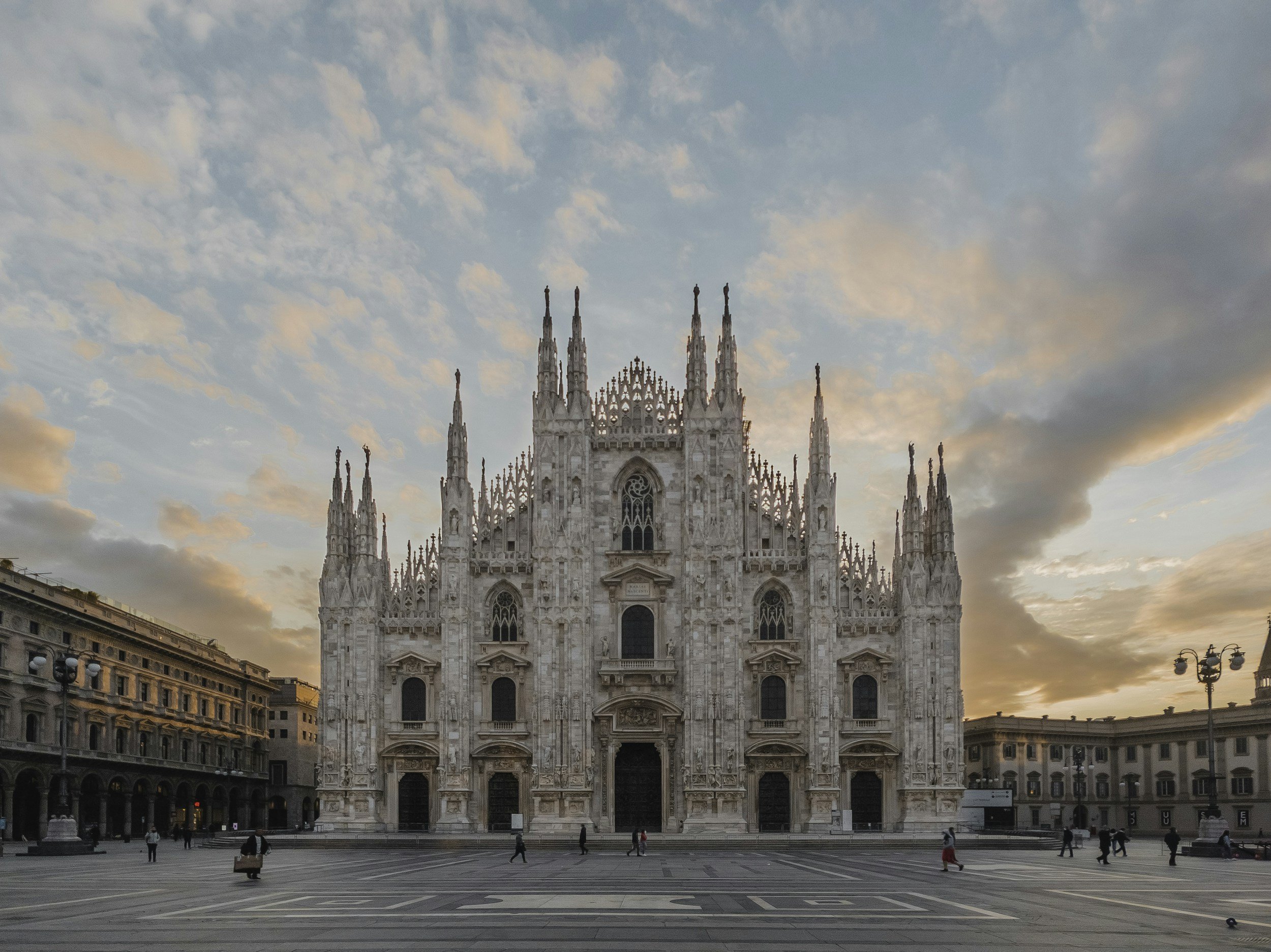
Milan breaks up the journey north, and it's one of Italy's flattest cities. The Duomo has a step-free entrance on the left side, and a lift takes you up to the rooftop terraces. Next door, the Galleria Vittorio Emanuele II has smooth mosaic floors and is made for a long aperitivo. With more time, the Pinacoteca di Brera and the Leonardo da Vinci science museum are both well adapted.
Zurich: where it all just works
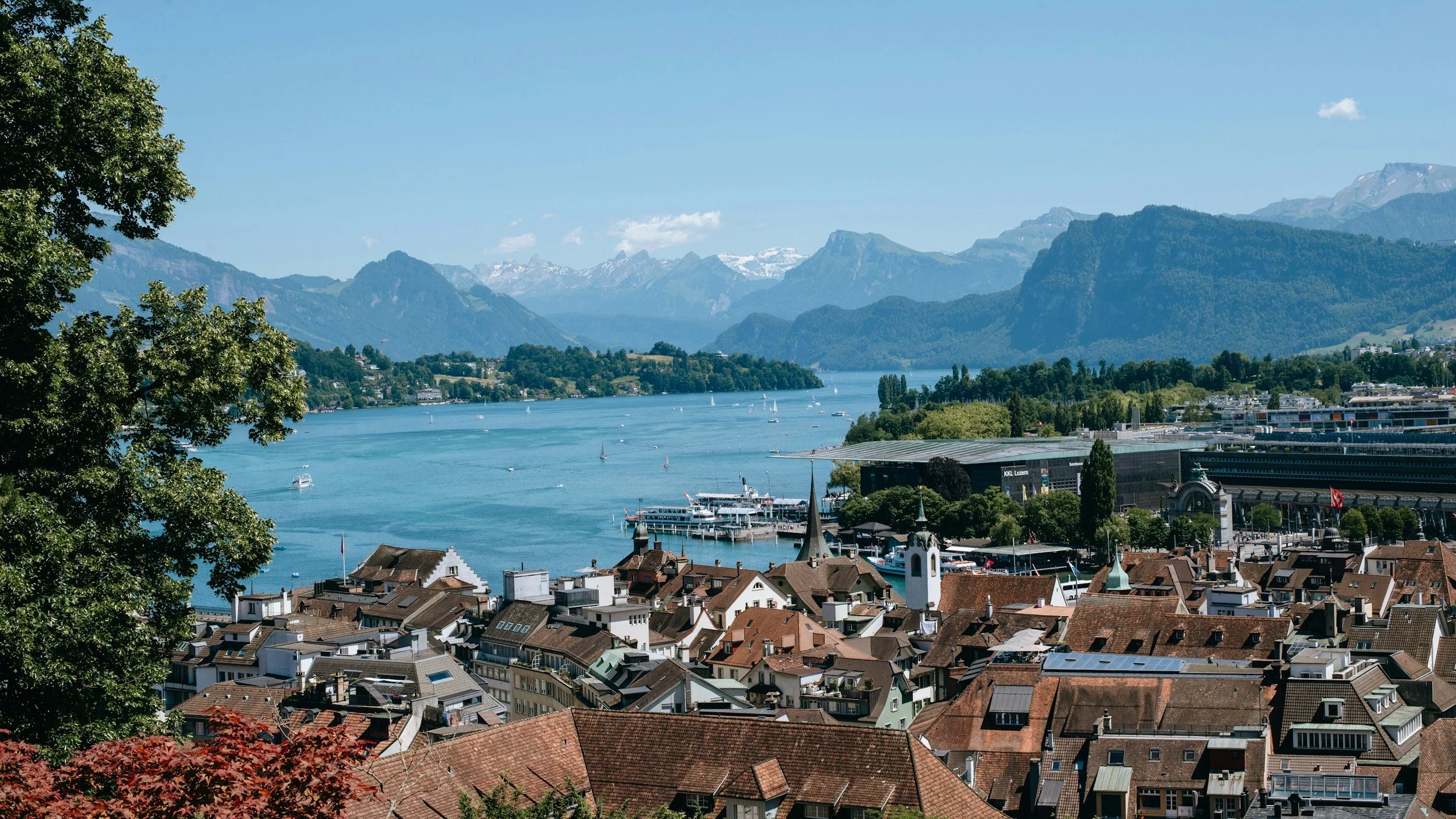
The train from Milan to Zurich climbs through the Alps, and it's one of the most beautiful rail journeys in Europe. Then Zurich surprises people. Its trams are almost entirely low-floor, the lakefront promenade is long and flat, and Bahnhofstrasse is fully pedestrianised.
A Swiss Travel Pass covers trains, trams and scheduled lake boats in first class, which makes days out simple. Three easy ways to use it:
Lake Zurich by boat: Scheduled cruises from Bürkliplatz, with the Alps on the horizon in clear October light. Larger boats are the best bet for step-free boarding.
Lindt Home of Chocolate: A short boat ride or train along the lake, with interactive exhibits, tastings and an enormous chocolate fountain.
Lucerne and Mount Rigi: Lucerne's lakeside promenade and Chapel Bridge are easy to explore, and a lake steamer plus a cogwheel railway takes you up Rigi for huge views. Honest note: the final stretch from the summit station to the very top viewpoint is a steep path, so manual chair users may prefer to enjoy the views from the station terrace.
Paris: the romantic finale
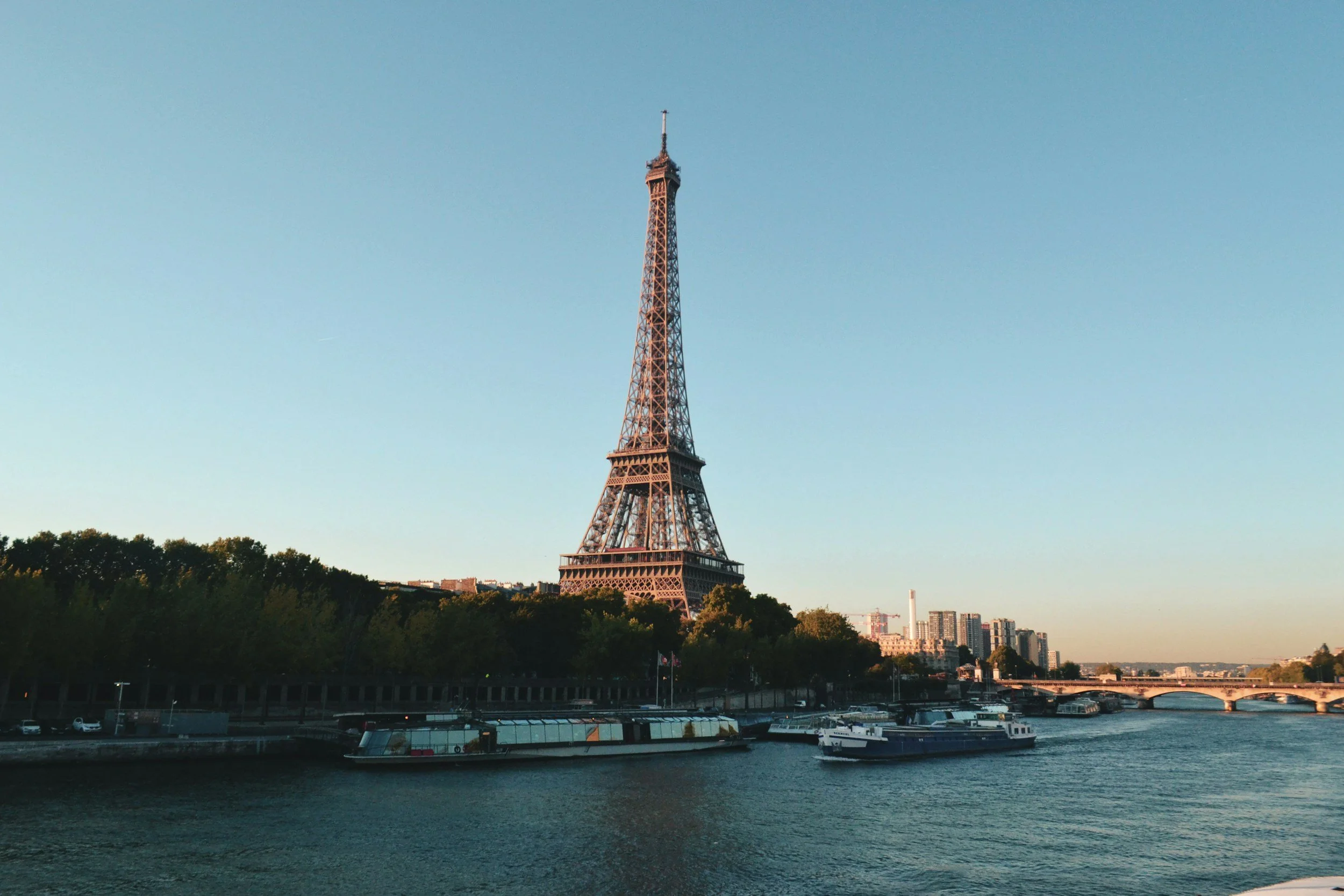
Paris got the longest stay, because it deserves it for the grand, romantic finale! The buses are all low-floor with ramps, and accessible taxis can be pre-booked, but for a honeymoon, private transfers between the big moments kept things effortless.
Museums made manageable. The Louvre is vast, so a private guide who knows the accessible routes turns it from an endurance test into a highlight. Afterwards, the Tuileries' broad, level paths lead to the Musée de l'Orangerie and Monet's Water Lilies, which is fully accessible and the perfect quiet counterpoint.
Montmartre, the smart way. Montmartre is steep and cobbled, and I'd always be upfront about that. The trick is to be dropped at the foot of the hill and take the funicular up to Sacré-Cœur. The basilica's accessible entrance, with a ramp and lift, is at the back and not well signposted, so ask staff. Place du Tertre is cobbled but fairly flat. Back at the bottom, Rue des Abbesses is level, lively and full of cafés.
The big romantic moments. An afternoon around Place des Vosges in the Marais, followed by dinner and the show at the Moulin Rouge, with access arranged in advance. Notre-Dame, beautifully restored, with an accessible main portal and a lifting platform inside. Ice cream at Berthillon on Île Saint-Louis. A Seine cruise from the foot of the Eiffel Tower. And, to finish, dinner on the Eiffel Tower's first floor, reached by lift, with Paris lit up below.
Where I based them
Sina Bernini Bristol, Rome
This was the most carefully considered choice of the whole trip, and accessibility was the reason. The hotel sits directly on Piazza Barberini, a broad, smooth, open square at the foot of Via Veneto. Instead of stepping out into narrow cobbled lanes, you step out to the Triton Fountain and one of Rome's widest, most navigable boulevards. The Trevi Fountain, Spanish Steps, Pantheon and Villa Borghese are all within a five-to-fifteen-minute roll or stroll. Inside, it's a recently renovated five-star with step-free access and a rooftop restaurant with views across Rome's domes, perfect for a honeymoon dinner without going anywhere.
Hôtel La Bourdonnais, Paris
I chose the 7th arrondissement for the same reason as Piazza Barberini: wide, calm streets that are far easier to navigate than the older, cobbled districts. La Bourdonnais is a warm, boutique four-star with 53 rooms, a short distance from the Eiffel Tower and the Champ de Mars, whose long, flat paths are among the best open spaces in Paris for wheelchair users. It's quiet and residential, and its romance package is a lovely touch for honeymooners.
Milan and Zurich
In Milan, I chose a stylish hotel in the historic centre, so the cathedral, the Galleria and La Scala are all a few minutes away on smooth, flat paving. In Zurich, the city is so accessible that location was all that mattered: a comfortable four-star in the walkable centre, with Bahnhofstrasse and the trams close by.
One honest note: accessible room categories are limited across all four cities. Sometimes a spacious standard room is the better fit, and sometimes only an adapted room will do. That's exactly the conversation I have with every client before booking.
What I'd tell anyone planning this
Book rail assistance early. Each country's service needs advance notice for every leg, and it makes station connections far less stressful.
Choose the neighbourhood before the hotel. It decides how easy every single day is.
Use drivers for the gaps. A few well-placed private transfers save a huge amount of energy for the moments that matter.
Travel in shoulder season. October brings mild weather and smaller crowds, which makes busy sights much easier to navigate.
Check lift status on the day. Even good systems have lifts out of service, so keep a back-up plan.
Plan your accessible honeymoon with me
A honeymoon should feel effortless, and for wheelchair users that takes planning nobody sees: the right neighbourhood, the right room, assistance booked on every train, and a driver waiting at exactly the right moment. That's the part I love.
