Seoul, Jeju & Tokyo: An Accessible Travel Guide
Two countries, built for more people than you'd think
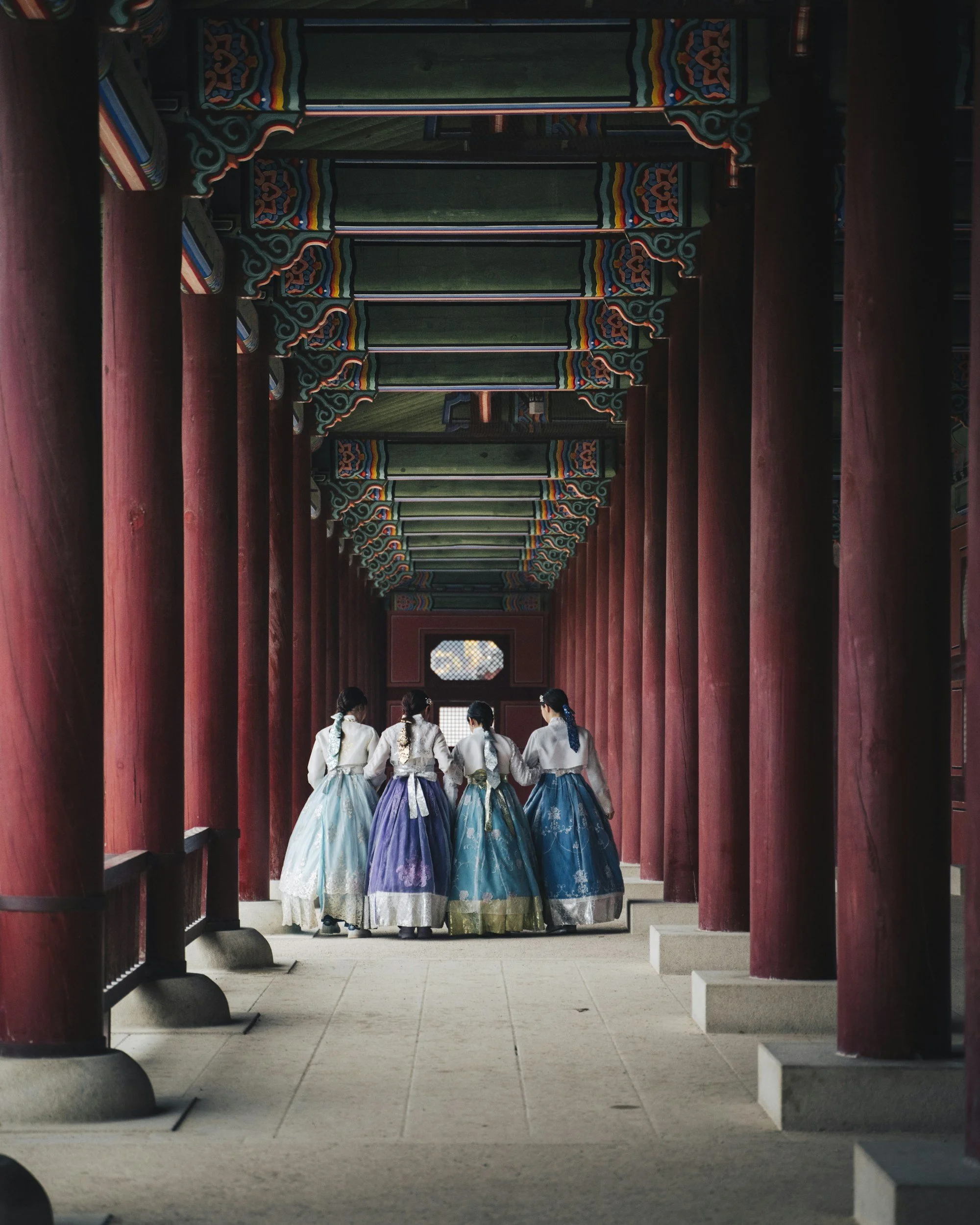
The brief was ambitious: royal palaces in Seoul, volcanic coastline on Jeju, a bullet train to Kyoto and two full days at the Tokyo Disney parks, for a traveller who uses a power wheelchair and needs a hoist. I won't pretend it was simple to plan. But once the right pieces were in place, both countries delivered far more access than most people expect.
Korea and Japan have both invested heavily in accessible infrastructure. Japan stepped up for the 2020 Paralympics, and Seoul's palaces, museums and newer subway lines have made sweeping changes. The challenges are real too: rare roll-in showers, uneven old neighbourhoods and temple halls with raised thresholds.
This guide shares how I approach a trip like this: the two hotels I'd build it around, the sights that work beautifully from a wheelchair, and the honest notes on what doesn't. The exact routing, suppliers and bookings are where I come in, so treat this as the inspiration rather than the blueprint.
When to go, and the shape of the trip
Spring (cherry blossom season) and autumn (maple season) bring the most comfortable temperatures in both countries. Late summer is hot and humid, with a chance of typhoons, so it suits travellers who are happy to plan indoor afternoons and early starts.
The route runs in three chapters, with plenty of time in each:
Seoul for culture: palaces, markets and the K-pop energy of Gangnam.
Jeju Island, a short domestic flight south, for volcanic landscapes and ocean air.
Tokyo for the finale, with a day trip to Kyoto by bullet train and two days at the Disney parks.
For wheelchair users, the real secret is fewer, longer stays. Every hotel change means a new room to check, a new bathroom layout to learn and new transfers to arrange.
Where to stay
On a trip like this, the hotel isn't just where you sleep. It decides whether every morning starts easily. I chose each one for its bathroom and bed before anything else.
Conrad Seoul, Yeouido
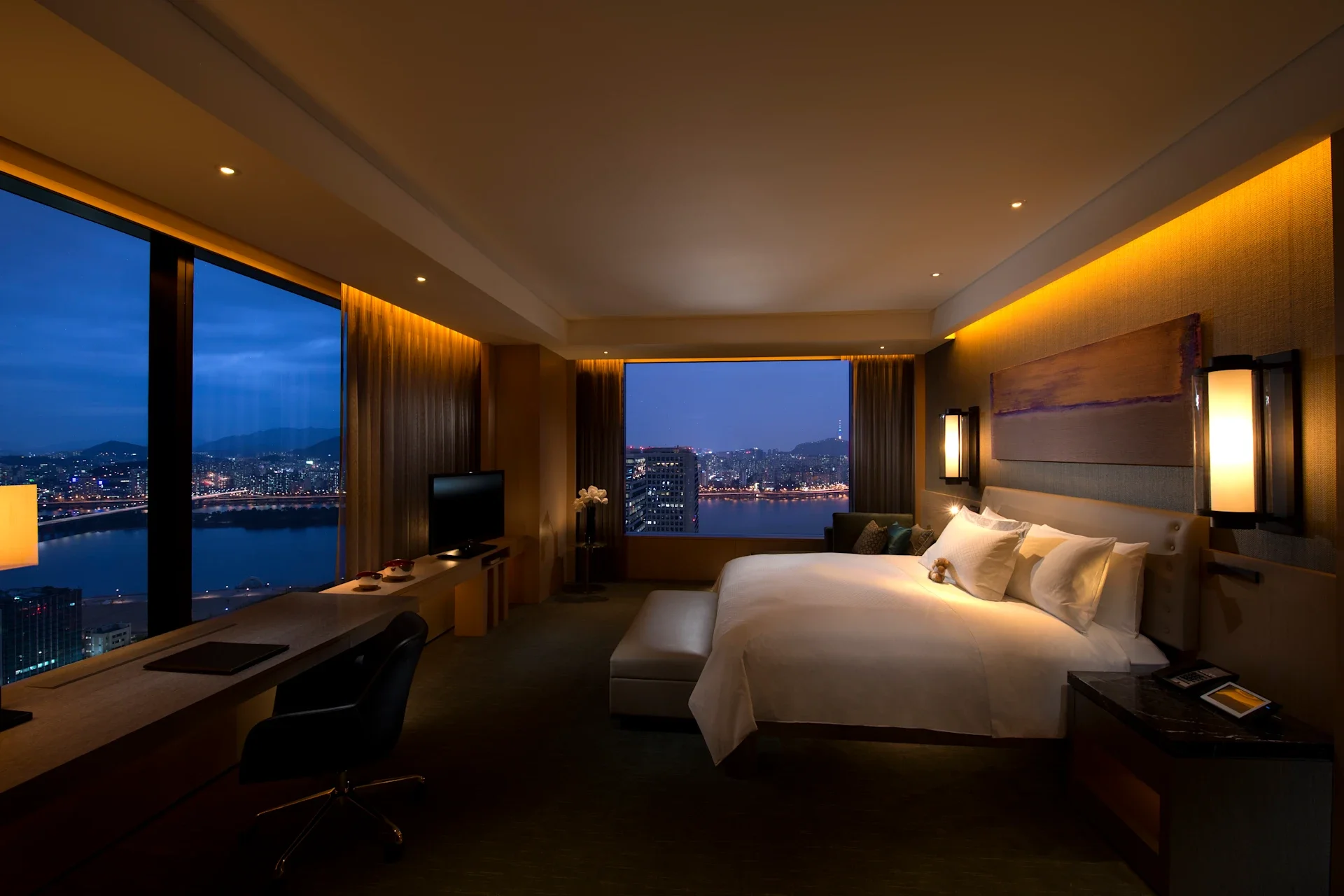
Phoyo courtesy of Conrad Seoul
The Conrad is the hotel wheelchair travel reviewers recommend most often in Seoul, and it's easy to see why. Its accessible rooms are among the largest in the city, with beds that have clearance underneath for a mobile hoist (in a traditional room; not the accessible category!), a roll-in shower with no threshold, a roll-under sink and a separate bath. It's connected directly to the IFC Mall, so dozens of restaurants and shops are reachable indoors, without kerbs or weather to worry about.
Keio Plaza Hotel, Shinjuku
Roll-in showers are rare in Tokyo, which makes Keio Plaza something of a gold standard. It has offered accessible rooms since 1988 and now has 13 universal design rooms, from twins to a junior suite with a confirmed roll-in shower. Rooms are far more spacious than the Tokyo norm, with wide sliding doors, motorised reclining beds with hoist clearance, remote-controlled curtains, and grab bars throughout. Its Shinjuku location, minutes from the city's main rail hub, also makes accessible taxis to the Disney parks, Asakusa and the airports straightforward. One honest note: only the junior suite has a roll-in shower; other universal rooms rely on a shower chair and transfer bench.
Jeju
On Jeju, I look for a resort in the Jungmun tourist area on the south coast, close to the island's big sights, with a sea-view terrace and a spacious accessible room with space for a hoist. Accessible room stock on the island is limited, so this is one to book early and confirm in writing.
Every traveller's needs are different, from bed height to shower type, so if you'd like me to match the right rooms to yours, that's exactly what I do.
Seoul: palaces, markets and K-pop
In Seoul, I always pair a specialist accessible tour company with a ramp-equipped van, so the wheelchair user can stay in their chair for every journey. It changes the whole trip: no wrestling with transfers, and an English-speaking guide who already knows the step-free routes.
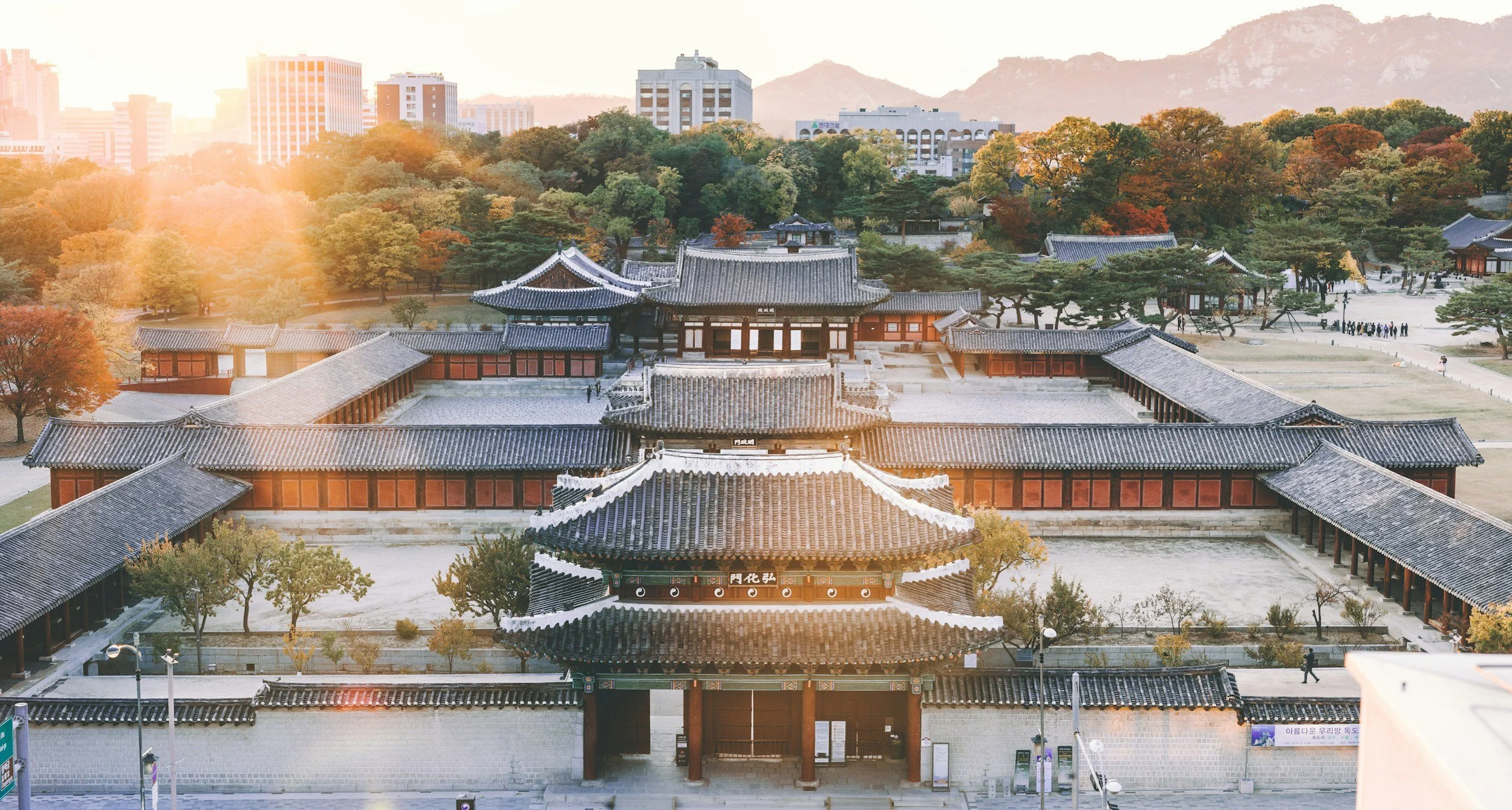
Royal Seoul
Gyeongbokgung Palace: The grandest of Seoul's palaces, with vast stone courtyards that are largely accessible. Time your visit for the changing of the guard, then pair it with the National Folk Museum on the same grounds.
Changdeokgung and the Secret Garden: A UNESCO World Heritage Site, and many people's favourite palace. The Secret Garden's main ponds, pavilions and lower paths are beautiful from a wheelchair, but expect sandy paths, slopes and arched stone sections. Bring a companion to help.
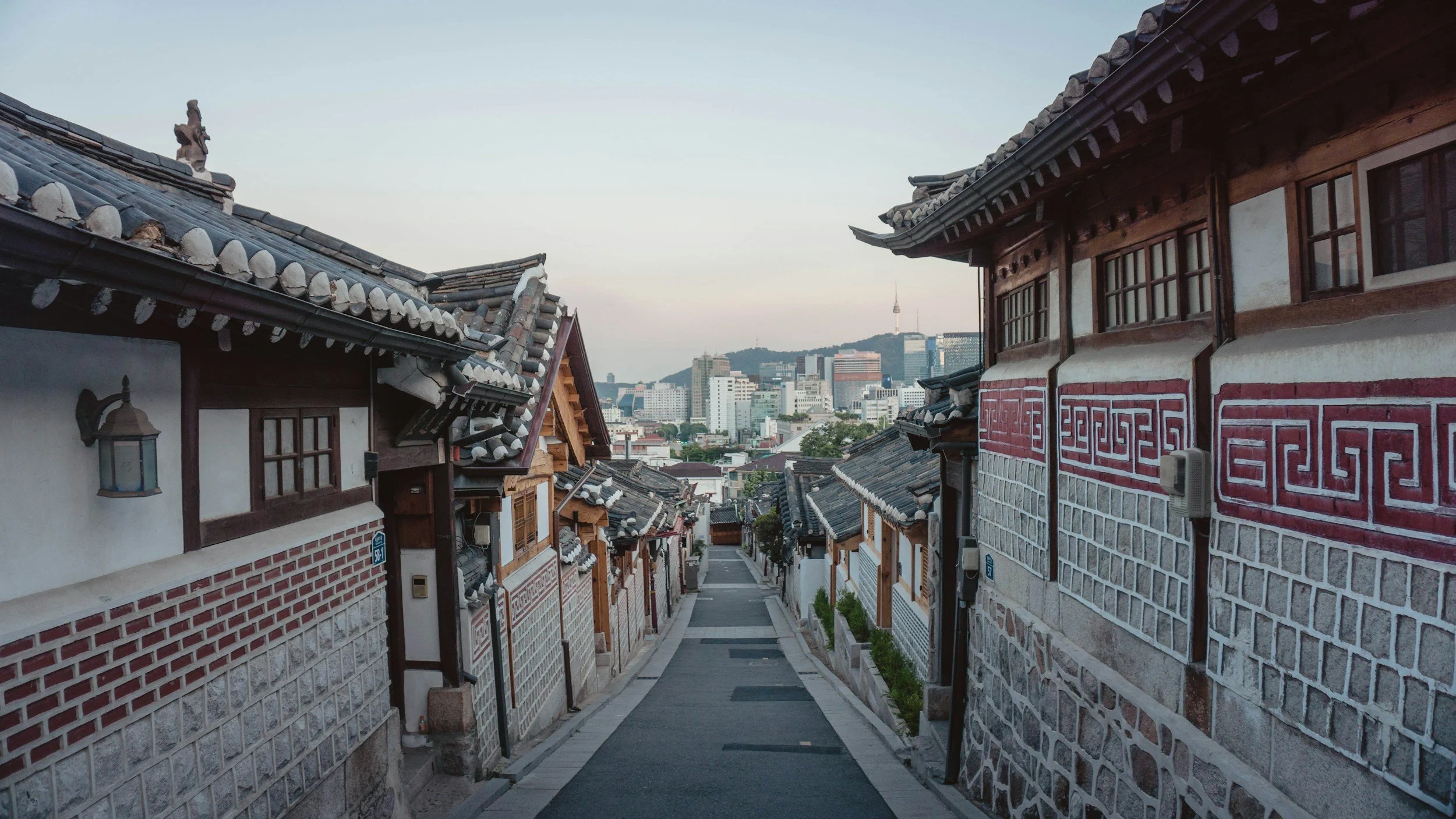
Bukchon Hanok Village: A living neighbourhood of tile-roofed traditional houses. A good guide will take the lower, gentler routes, which still give you those sweeping rooftop views.
Modern Seoul
N Seoul Tower: An inclined lift and the Namsan cable car bring you up the mountain, and the observation deck is fully accessible, with 360-degree views across the city.
National Museum of Korea: One of the most visited museums in the world, with lifts to every floor, spacious halls, and barrier-free galleries with audio descriptions and adjustable kiosks.
COEX and Bongeunsa: The COEX complex in Gangnam is step-free throughout, with the soaring Starfield Library, a large aquarium and K-pop stores. Directly across the road, Bongeunsa is an ancient Buddhist temple with a giant standing Buddha framed by skyscrapers, and it's one of Seoul's more accessible temples.
K-Star Road: A flat, free stroll past colourful bear sculptures dedicated to K-pop groups in the neighbourhood that gave the world Gangnam Style.
Seoul after dark
Seoullo 7017, an elevated sky garden above Seoul Station, is entirely ramp-based and lovely at dusk. On the Han River, the Banpo Bridge Moonlight Rainbow Fountain lights up the water with colour and music, and on selected evenings, a free drone light show fills the sky over the river.
Jeju Island: volcanoes and sea women
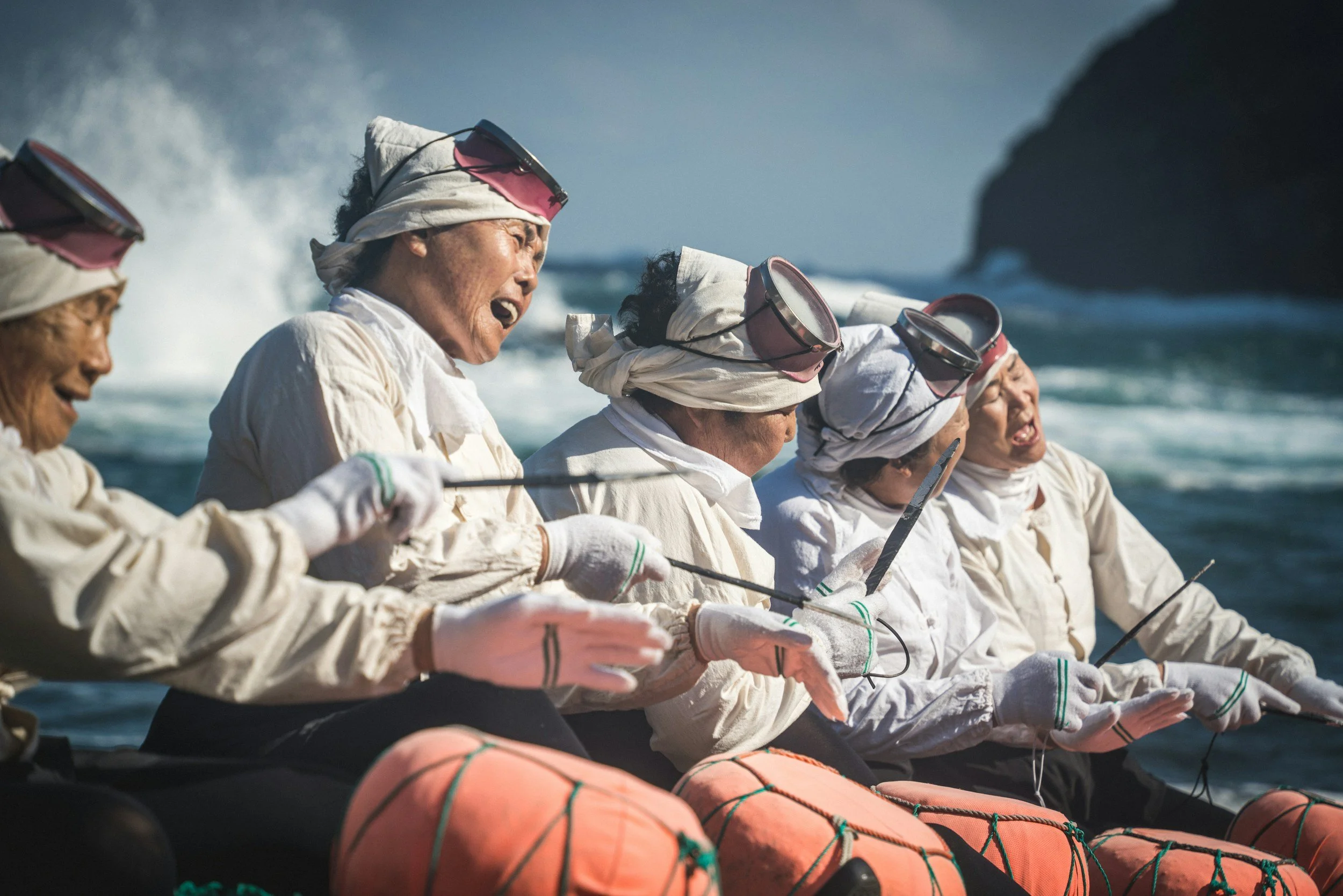
Jeju is a UNESCO World Natural Heritage island shaped by ancient volcanoes, and it feels a world away from Seoul. An hour's flight south, it's greener, slower and full of ocean views. The same ramp-equipped van approach works beautifully here, because most of the island's highlights are spread out.
Daepo Jusangjeolli Cliff: Dramatic hexagonal basalt columns drop into the sea, and the viewing platform is flat and paved, so the spectacle is right at your level.
Seongsan Ilchulbong (Sunrise Peak): A volcanic crater rising straight out of the ocean. The climb to the top is steep and stepped, but the paved lower coastal path gives excellent views of the crater's silhouette.
The haenyeo: Jeju's legendary women free-divers have harvested the sea without breathing equipment for centuries, a tradition UNESCO now recognises. Visit the fully accessible Haenyeo Museum, then watch a live diving demonstration near Seongsan. It's one of the most moving experiences of the trip.
Jeju Stone Park and Sangumburi Crater: Accessible paths wind through volcanic rock sculptures and Jeju's creation myths, and the nearby crater is rich in plant life.
Cheonjiyeon Waterfall: One of Jeju's three great falls, reached along accessible paths through subtropical greenery.
Seongeup Folk Village: Thatched, stone-walled houses and centuries-old trees. Some lanes are uneven, so take it slowly.
Tokyo, Kyoto and the Disney parks
In Tokyo, the key to an easy stay is a pre-booked accessible vehicle with a rear lift for airport transfers, so you arrive at the hotel without a single transfer out of the chair. Day to day, accessible taxis and the rail network do the rest.
Tokyo Disney: two parks, two days
Tokyo DisneySea is the one people fall in love with. It's unlike any other Disney park, built around harbours and lagoons, with a Venetian waterfront and a dramatic volcano at its heart. Tokyo Disneyland is the classic, with the castle, the parades and the night-time magic. I give each park its own full day, with a gentler day between them.
Both parks have wide, smooth pathways and accessible toilets throughout. Many attractions allow guests to stay in their wheelchair, while others need a transfer. Guests with disabilities can ask about the parks' accessibility support at Guest Relations on arrival, and it's worth checking each attraction's access before you go.
Asakusa and old Tokyo
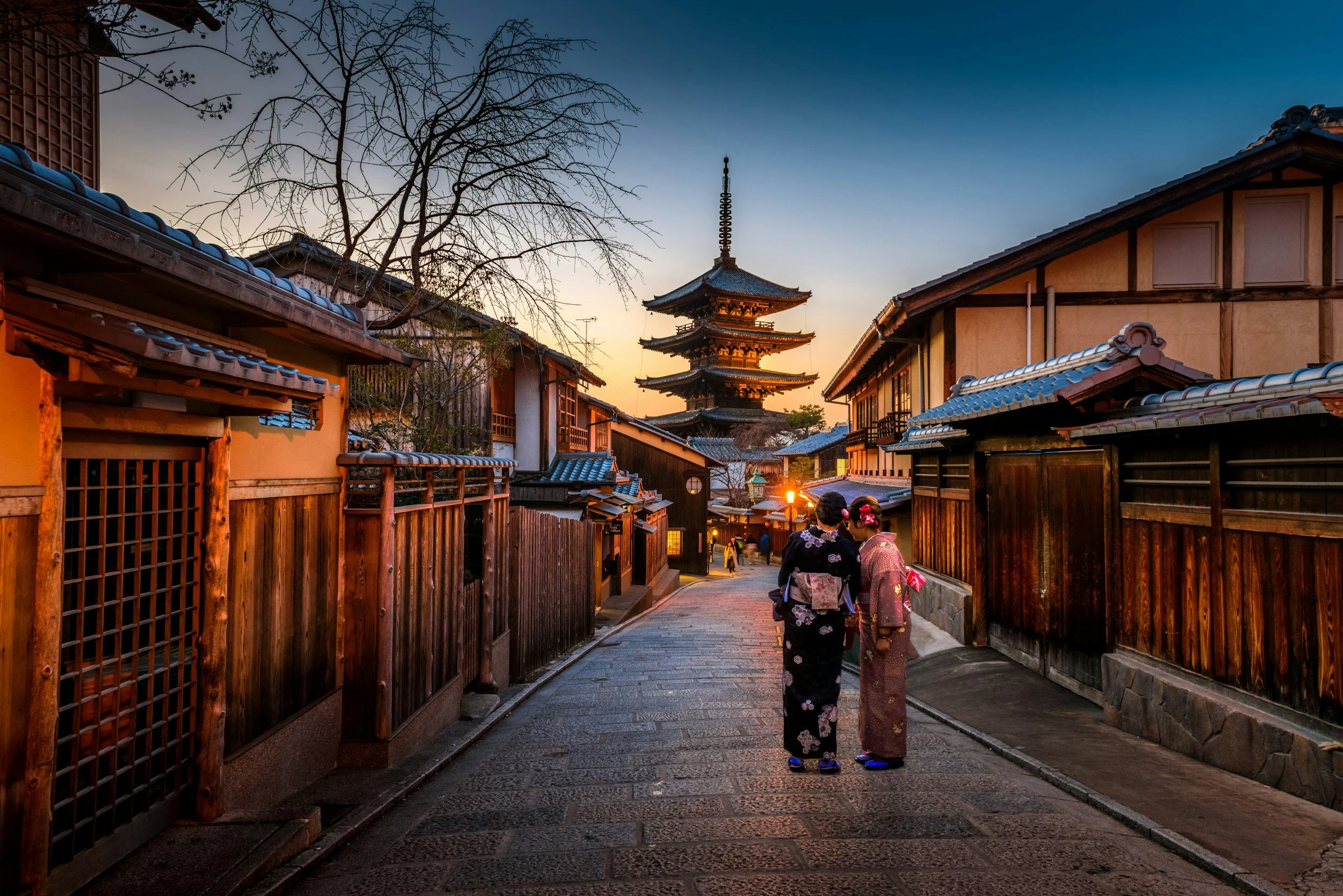
A guided walking tour of Asakusa brings old Edo to life: the busy Nakamise shopping street, the story of how the neighbourhood was rebuilt after the war, and finally Senso-ji, Tokyo's oldest Buddhist temple. The approach and temple grounds are largely flat. I suggest an afternoon start, leaving the morning free after a big park day.
A day in Kyoto by bullet train
The Shinkansen gets you from Tokyo to Kyoto in just over two hours, with dedicated wheelchair spaces, and station staff will set up a boarding ramp if you ask at the ticket gate a few minutes beforehand. In Kyoto, a half-day guided tour of Arashiyama takes in the Togetsu Bridge, the UNESCO-listed Zen garden at Tenryu-ji, and the famous bamboo grove. Honest note: Tenryu-ji's main hall and buildings aren't accessible, though much of the garden is, and the bamboo grove path can be busy, so go early or late.
Eat & drink
Markets are the best way into the food in both countries, and several are surprisingly easy to navigate.
Gwangjang Market, Seoul: One of Korea's oldest covered markets, with a wide central corridor and flat floors. Pull up at a stall for crispy bindaetteok (mung bean pancakes), mayak gimbap and freshly made noodles.
Insadong, Seoul: Seoul's traditional arts quarter, full of tea houses and craft shops. The main street is pedestrianised at weekends, and the Ssamziegil complex is built around a gentle spiral ramp. Some side alleys are uneven.
Seogwipo Olle Market and Dongmun Market, Jeju: Wide aisles and island specialities, from hallabong tangerines and black pork to dried seafood. Dongmun is the place for souvenirs.
Dining at the hotel: In Seoul, the mall connected to the Conrad gives you dozens of step-free options for nights when you'd rather not go out.
Two practical notes. Many Korean restaurants use self-service ordering kiosks, and a translation app's camera function helps. In Tokyo and Kyoto, accessible seating can be limited, so book popular restaurants a few days ahead and mention the wheelchair.
Good to know
Apps: In Korea, Naver Map or Kakao Map work far better than Google Maps, and Papago is excellent for translation. In Japan, Google Maps is reliable. WheeLog! shows the actual routes wheelchair users have taken, and it's strongest in Tokyo.
Plugs: Korea uses European-style round two-pin plugs at 220V, while Japan uses the same flat two-pin plugs as the US at 100V. Check chargers for power chairs and medical equipment before you go.
Flying with a wheelchair: Arrange approvals with each airline in advance, keep a copy of the confirmation, and complete any mobility device handling forms before travel.
Temples: Main grounds are often accessible, but raised thresholds in Korea and old wooden halls in Japan often aren't. Check site by site.
Trains in Japan: Ask staff at the ticket gate a few minutes before departure, and they'll bring a boarding ramp and radio ahead to your destination.
Money: Carry some cash for markets and temples, and don't tip in either country.
Plan your accessible Asia trip with me
A trip like this works because of the details nobody sees: the bed with space for a hoist, the van with a ramp waiting at arrivals, the airline approvals filed weeks ahead, and the guide who knows which palace path to skip. That's the part I take care of.
