By Elaine Hughes, The Inclusive Wedding Company and Jaimie Voss, Founder of Radiant Routes
Published on 20 November
The Aisle: what inclusive looks like at the venue
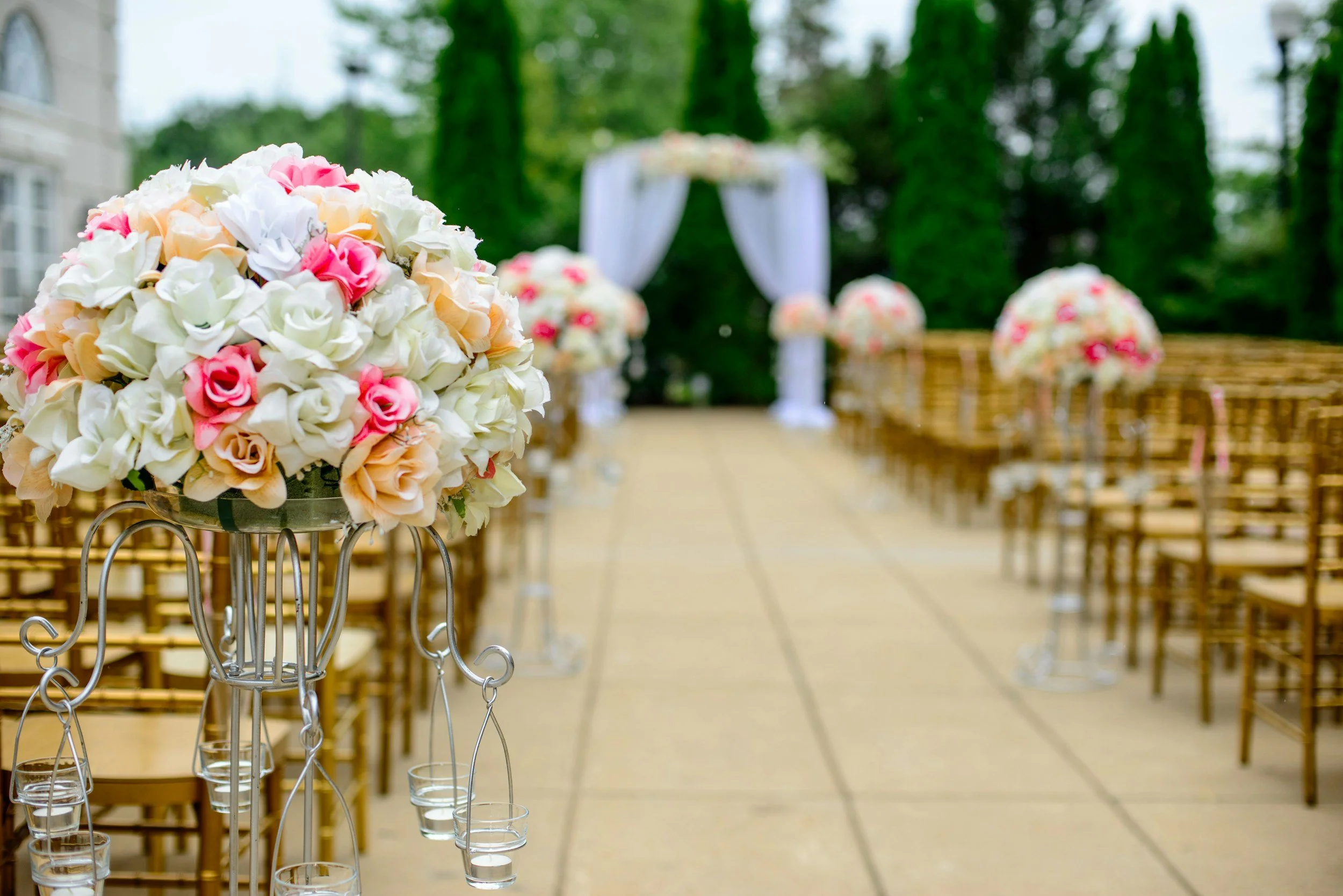
By Elaine Hughes, The Inclusive Wedding Company
A bride I know had one request she assumed would be easy. Her brother is profoundly deaf, and several of her guests are too. She requested recommendations for a BSL interpreter so he and fellow hearing-impaired guests could follow the ceremony and speeches as they happened, not hear about them afterwards.
So she did what most couples do. She asked for help in a wedding planning supplier group, a room full of professionals whose entire job is making weddings work.
No one came forward. No one replied. No one even liked the post.
Not a "sorry, can't help". Not a "try this person".
Silence.
And the person left carrying it was the bride, who was also meant to be enjoying the planning of her own wedding.
That silence is the real barrier. Most suppliers are not unkind; they are unprepared, and unprepared looks exactly like indifference from where the couple is standing. It is also expensive.
Disabled households hold an estimated £274 billion in annual spending power, and a couple who is ignored once will not wait around to be ignored twice.
Inclusion is not a ramp and a laminated sign in the loo. It is a series of small, practical decisions that tell a couple "we expected you" long before they have to ask, and certainly long before they have to ask a group of strangers.
What it looks like in practice
It looks like a venue that sends a clear access guide before the viewing, not after the question. It looks like a couple knowing the real route from car park to ceremony to dancefloor to bedroom, including the steps, the distances, the seating and the nearest quiet space. It looks like staff who ask, "What would make today easier?" instead of "What's wrong?" And it looks like understanding that most access needs cannot be seen: autism, ADHD, chronic pain, fatigue, sensory sensitivity, a condition that flares at 4 pm on the one day it really should not. Access is not just about wheels and ramps, and it belongs in the price list conversation, not as an awkward extra.
What couples should ask
Can I see a full access guide, with photos or a video walkthrough, before I book a viewing?
What is the route from arrival to ceremony to reception to accommodation, and is any of it stepped, uneven, gravelled or a long way without seating?
Where are the accessible toilets and changing facilities, and are they actually usable during a full event?
Is there a quiet space, and what can you do about sensory load, such as lighting, music volume, hand dryers and strong scents?
Can the timings be flexible, with built-in breaks for rest, medication or recovery?
Can I have the full schedule in writing well in advance, and one named person as my point of contact?
How can my guests share their access needs privately, without having to explain themselves in front of a room?
What happens in an emergency for someone who cannot use the stairs, cannot hear an alarm, or finds one overwhelming?
Is the on-site accommodation actually tested for access, or just listed as accessible?
If a guest needs something you cannot provide yourselves, such as an interpreter, a different format or specialist equipment, who do you call and how much notice do you need?
Who on your team has had disability inclusion training, and when?
If the answers come quickly and confidently, you have found a good one. If you get a pause and "I'll have to check", you have learned something useful too.
How venues can get it right
Audit before you advertise. Publish what you have honestly, including the gaps, because a venue that says "here is what we cannot do yet, and here is what we can arrange" earns trust that a vague "fully accessible" never will.
Train the people couples actually meet. Keep a named access contact and a short list of trusted specialist suppliers, interpreters included, so no couple is ever left posting into silence. And treat access as a revenue decision, not a compliance chore: the venue that can say yes to a disabled couple gets the booking, the guests and the referrals.
The Arrival: planning a honeymoon that fits you
By Jaimie Voss, Radiant Routes
When couples come to me with a honeymoon request, many of them have already drawn a line around the world in their minds. Somewhere along the way, they've decided that only a small corner of it is open to them.
This couldn't be further from the truth.
I hear it from couples of every kind. A wheelchair user who has been told Europe is "too old." A blind traveller worried about unfamiliar streets and airports. A Deaf couple who assume tours and excursions won't include them. A neurodivergent partner who dreads crowds, noise and unpredictability. Different needs, same assumption: that trip probably isn't for us.
I recently had a couple return from a honeymoon that started with nothing more than an idea: Europe. They'd dreamed of seeing the great landmarks for years, but they didn't know where to begin. Which cities would be accessible? What would be safe, comfortable and achievable for them?
I designed a thoughtful trip that began with a few days in Rome, a romantic jumping-off point for European exploration, where they were fully supported by an on-the-ground team as they took in the sights they'd only ever seen in pictures. Then into Switzerland, one of my favourite accessible destinations, with its mountain views and a rail network designed around independent travel. And finally, Paris, because every honeymoon deserves a romantic ending.
They came home with the trip they'd always imagined.
What type of honeymoon do you want?
The first question I ask isn't about destinations, ramps or room types. It's about how you want to feel.
Do you want to slow right down, with warm water, long lunches and nothing on the agenda but each other? Or do you want to come home full of stories, with new cultures, new food and days that leave you happily tired?
Feeling is also sensory. For some couples, the dream is quiet, space and a predictable rhythm. For others, it's sound, texture, taste and the buzz of somewhere new. Knowing that matters as much as knowing whether you'd prefer beach or city.
Once I know the feeling, the possibilities open up. Some of my favourite honeymoons to plan:
Accessible safaris. Adapted vehicles, step-free lodges and the thrill of seeing wildlife up close. And a safari is far more than what you see: the sounds of the bush at dawn, a guide describing every detail, the rhythm of early game drives and slow afternoons. It's a wonderful choice for blind and neurodivergent travellers as well as wheelchair users.
Alaska cruises. A perennial honeymoon favourite, with glaciers, whales and wilderness, all from a ship that does the moving for you, so you unpack once. A cruise can be a brilliant fit for neurodivergent couples who value routine and one familiar home base, and many cruise lines can arrange assistive listening, visual alerts and accessible cabins, as long as it's requested early.
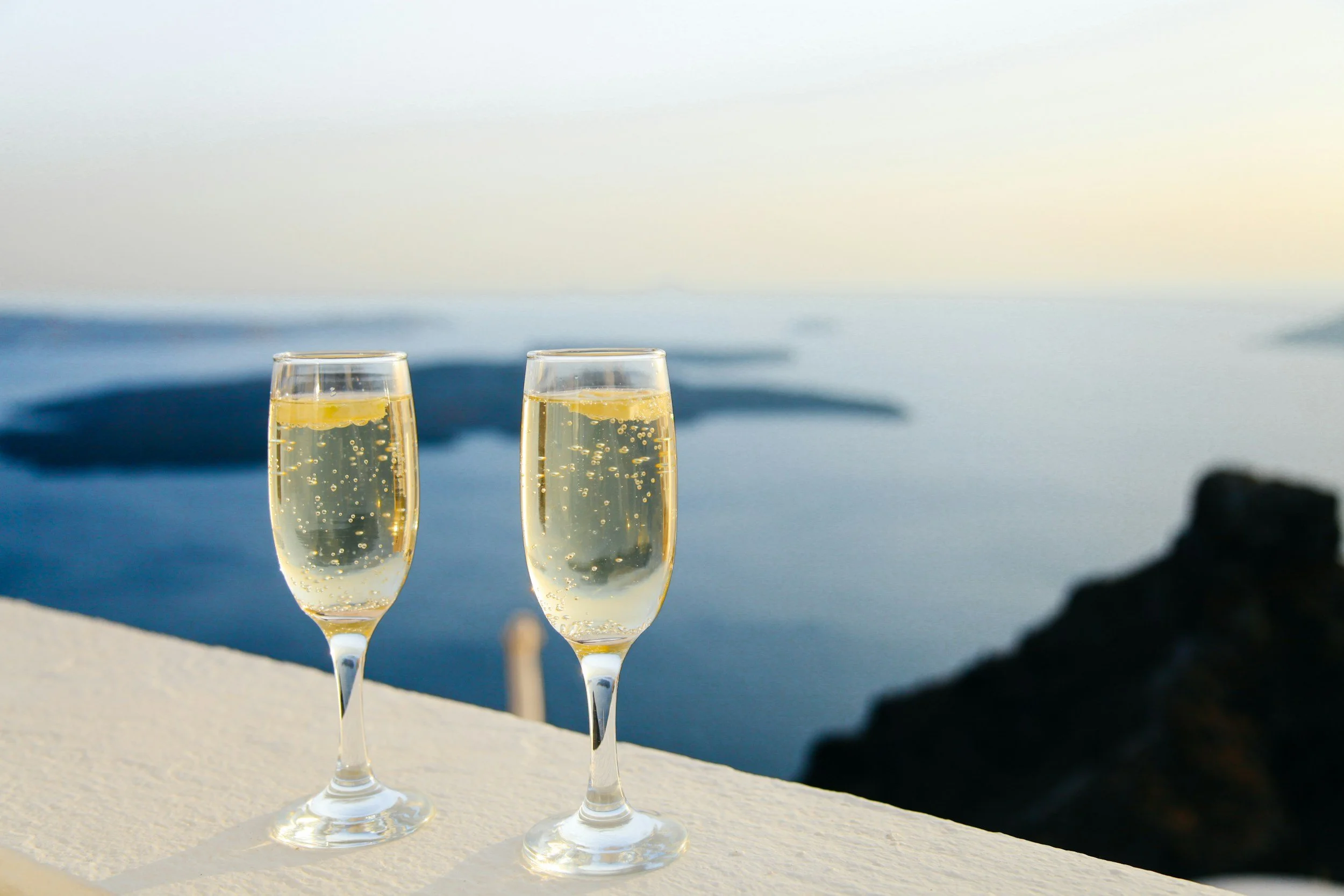
A classic Greek honeymoon. Santorini is famous for its clifftop steps, but it doesn't have to be off-limits. Properties like Santorini Sky, a collection of private luxury villas high above the village of Pyrgos, have created an accessible villa so couples can enjoy those sweeping Aegean views in comfort. A private villa offers something just as valuable as step-free access: space, privacy and calm, away from the crowds and noise of the busiest villages.
And it doesn't always have to mean international. Some of my most meaningful honeymoons have been closer to home, in a domestic spot where the two of them could simply settle in, breathe out and embrace their newlywed life. The best honeymoon is the one that feels like yours, not the one with the longest flight.
Destinations that have done the work
I love working with hotel partners who put inclusivity at the heart of what they do. But a beautiful accessible room is only one part of the story. If the trip becomes a struggle the moment you step outside, the honeymoon hasn't really worked.
So I look at the whole picture. What is the city's accessibility plan? What is the tourism board actively promoting and investing in? And I look well beyond step-free routes. Do museums and landmarks offer audio description, tactile exhibits or touch tours? Are there guided experiences in sign language, or captioned and written alternatives? Do attractions offer quiet hours, sensory maps or calmer times to visit? Do airports and hotels recognise schemes like the Hidden Disabilities Sunflower, so a couple doesn't have to explain themselves at every turn?
These are the details that tell me whether a stay will be comfortable and inclusive from the moment a couple arrives, not just once they've closed their hotel room door. Just as Elaine describes at the venue, no couple should be left posting into silence on their honeymoon either.
Some destinations treat accessibility as a box to tick. Others make it part of the experience itself, and those are the places I suggest first. That doesn't rule anywhere out. When a couple's heart is set on somewhere less prepared, we go in with eyes open and the right local partners in place.
How much complexity do you have an appetite for?
This is the question most couples don't expect, and it's one of the most useful I ask.
Some couples love the journey as much as the destination. A scenic train, a ferry between islands, a private driver one day and a tram the next. For them, variety is part of the adventure. Others want it as easy as possible: one flight, one transfer, one hotel, unpack once and stay put.
There's no wrong answer, but the answer shapes everything. If you're open to complexity, I build in the support to make it seamless, often with a trusted ground partner. If you'd rather keep it simple, I design the trip around fewer moves and longer stays. Fatigue, pain, sensory overload and the energy it takes to process somewhere new don't take a holiday just because you do, so finding the right pace is part of the romance, not a compromise on it.
The questions I ask every honeymoon couple
When you picture your honeymoon, how do you want to feel: relaxed, adventurous, or a little of both?
Is there a place you've always wanted to see but assumed wasn't possible?
How do you feel about travel days and changes of transport: part of the adventure, or something to keep as simple as possible?
How do you prefer to communicate, and would an interpreter, captions, written information or a particular itinerary format help you enjoy the trip more?
Are there sounds, lights, crowds or changes to routine that drain you, and what helps you feel calm?
What makes you feel truly comfortable when you travel, and has anything made past trips harder than they should have been?
There are no wrong answers. Every one of them brings me closer to the honeymoon you actually want.
From the first venue viewing to the first morning of your honeymoon, every couple deserves to feel expected, never like an afterthought. That's what we want to create: a world where you feel welcomed at every important touch point, from the guest list and the ceremony to the journey, the room and the destination waiting for you.
From aisle to arrival, your dreams come to life.
