London: Ten Days of Royal History, Day Trips & Great Food for a hearing-impaired client
London, made for every way of experiencing it
So much of travel planning assumes you'll hear things: the tour guide's commentary, the station announcement, the knock on the hotel door, the fire alarm at 3am. For Deaf and hard-of-hearing travellers, those small assumptions add up, and they can turn a dream trip into a tiring one.
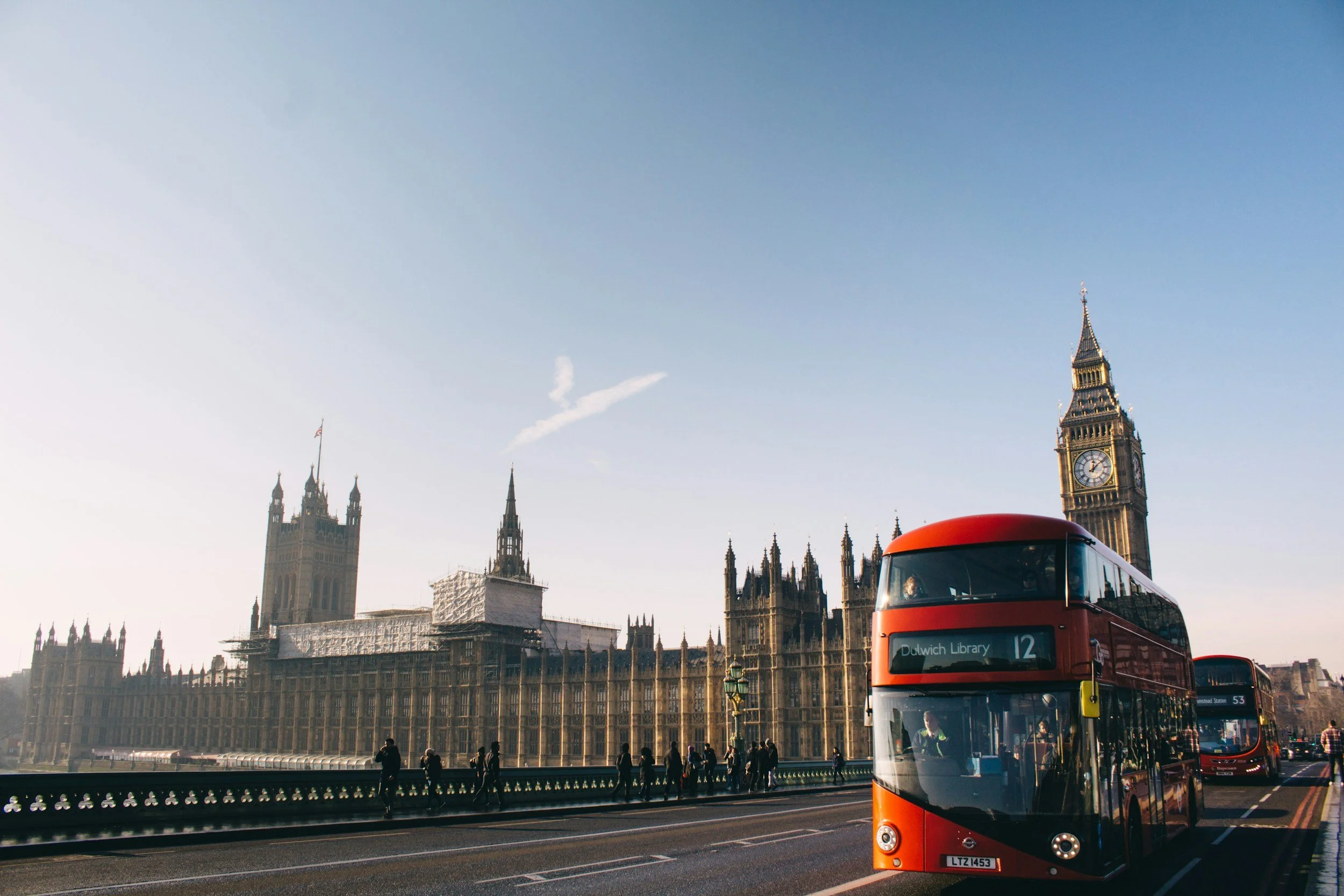
London is one of the best cities I know for getting that right. Its great museums run British Sign Language (BSL) tours and captioned guides, its theatres schedule captioned and signed performances, and some hotels now offer visual alarms and text-based contact as standard. The city is also wonderfully visual: the pageantry of the Changing of the Guard, the architecture of Westminster Abbey, punts gliding past Cambridge colleges.
This guide shares how I shape a ten-day London trip for Deaf and hard-of-hearing travellers: the hotel features that matter, the experiences that work beautifully without relying on sound, and the practical details to sort before you fly.
Before you go: the essentials
BSL isn't ASL. British Sign Language is a completely different language from American Sign Language, so US visitors who sign shouldn't assume a BSL tour will work for them. Captioned guides, written transcripts or a private interpreter booked in advance may suit better. I always ask which works best before booking anything.
Emergency contact: In the UK, you can text the emergency services on 999 if you register for emergencySMS first, and BSL users can call through the free 999 BSL app. Set these up before you travel, and check whether they work with your phone.
Text over phone: Ask every hotel, tour operator and restaurant whether they can communicate by email, text or WhatsApp. More of them can than you'd expect.
Tell your guides in advance: A good guide will face you when speaking, slow down, share notes or point things out visually, but only if they know beforehand.
Getting there, and when to go
From the US: Nonstop flights reach London Heathrow from many US cities, with East Coast flights taking around seven hours. Overnight flights land in the morning, so I keep the first day completely free and the second day gentle.
From elsewhere in the UK: London is an easy train ride from most cities, which makes this a lovely long city break or a base for a staycation.
Arrival: A pre-booked private transfer from Heathrow takes 45 to 60 minutes to west London, and it's worth every penny after an overnight flight. The Elizabeth line and Heathrow Express are good alternatives if you travel light.
London is a year-round city. Summer brings long evenings, outdoor markets and the Changing of the Guard at its busiest. Spring and early autumn are quieter, with mild weather that's ideal for walking. Whenever you go, pack a light waterproof.
Where to stay
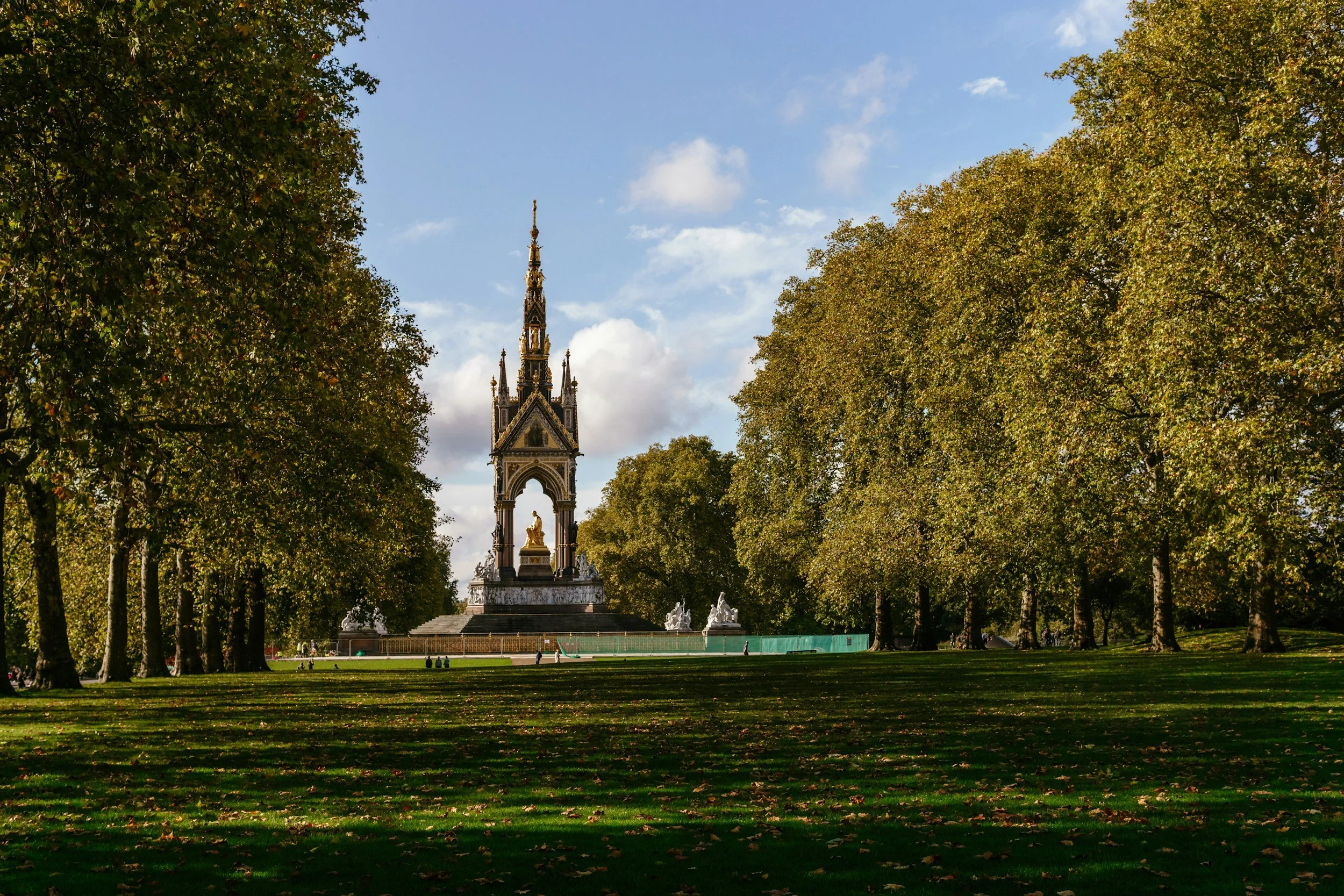
For a first visit, I like South Kensington and Earl's Court: elegant, residential and calmer than the West End, but with great Tube links and some of London's best museums on the doorstep.
Ember Locke, Kensington
For a longer stay, an aparthotel makes so much sense, and Ember Locke is one of my favourites. It's set in a reimagined Victorian townhouse on Cromwell Road, with 121 stylish studios that each have a sitting area and a proper kitchen, plus a washer-dryer, which is a game-changer on a ten-day trip. There's a restaurant downstairs, a gym and a private garden, and you're within easy reach of the Natural History Museum, the V&A, the Royal Albert Hall, Kensington Gardens and Earl's Court station.
What makes it stand out for Deaf and hard-of-hearing travellers is how practical it is. Visual alarms are available, and the team communicates with guests by WhatsApp, so there's no need to phone reception or listen for a knock at the door. The self-contained studios also mean fewer interactions you need to navigate at a busy front desk. Honest note: the studios are compact by US standards and the standard rooms have a combined shower and bath, so ask about accessible room options if you need a step-free shower.
Other good bases
Marylebone suits travellers who want a village feel close to the West End. Covent Garden and Soho put you in the middle of theatres and restaurants, but they're busier at night. For a full-service luxury stay, Mayfair and St James's have many of London's grand hotels.
What I arrange with every hotel. Wherever my Deaf and hard-of-hearing clients stay, I make sure before arrival that a hearing-impaired safety kit is in the room: a visual or vibrating fire alarm, a flashing doorbell and a vibrating alarm clock. I also confirm in writing that the team can communicate by WhatsApp or text throughout the stay, from check-in questions to emergency updates, and I test that line myself before you travel. On top of that, I ask for a room near the lifts so staff can reach you quickly in an emergency, make sure your details are on the hotel's emergency evacuation list, and check that the TV has subtitles. That way, nothing is left to chance at the front desk.
What to see and do
Royal London
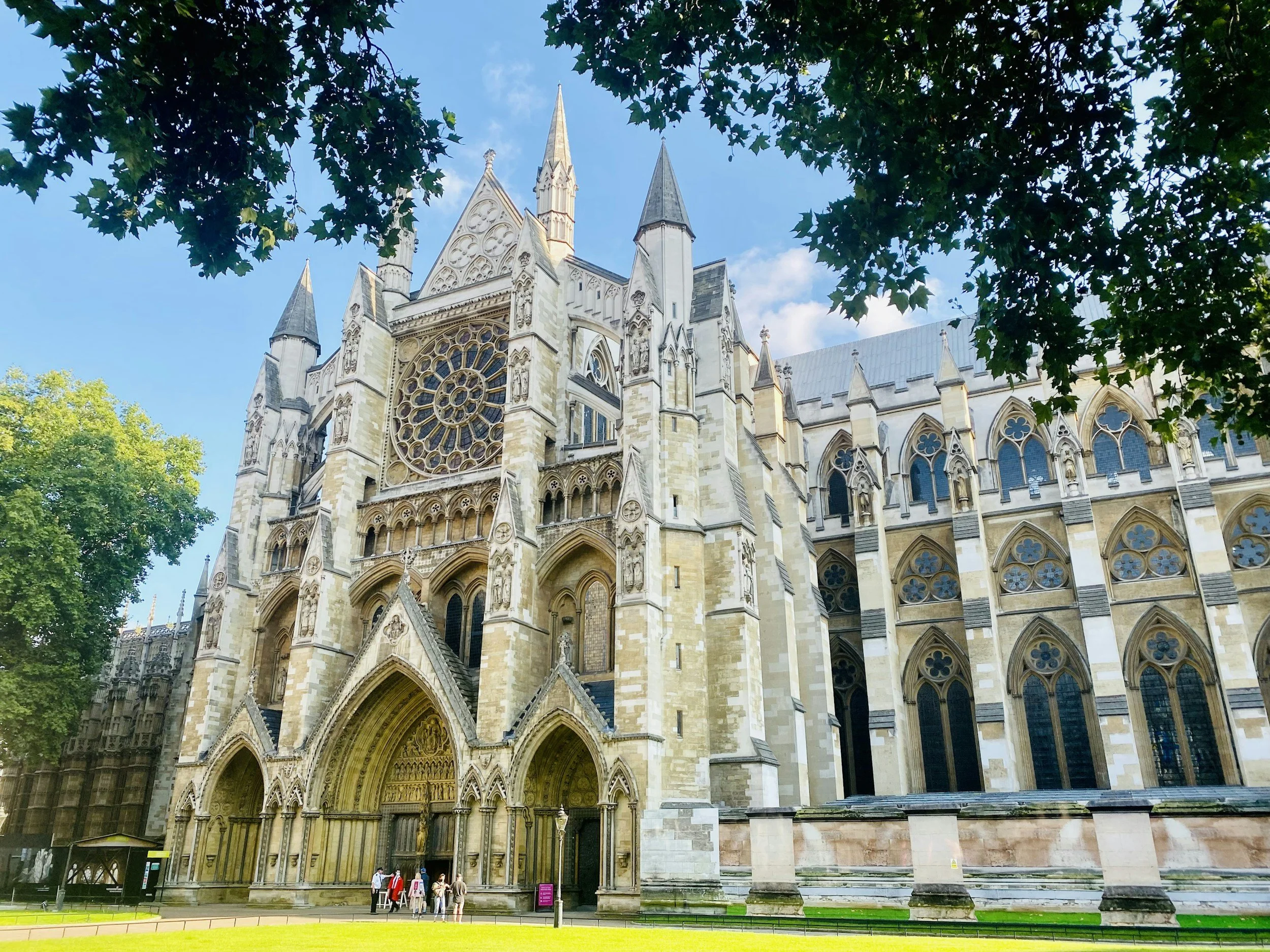
Westminster Abbey and the Changing of the Guard: A guided small-group morning with a Blue Badge guide is the best way to do both: the best vantage points for the guard change, then skip-the-queue entry into the Abbey, where monarchs have been crowned for nearly a thousand years. The ceremony doesn't run every day and can be cancelled in bad weather, so check the schedule. The guard change is one of the most visual spectacles in London, and the Abbey runs occasional BSL-interpreted tours, so it's worth timing your visit around one if you sign.
Buckingham Palace and royal exhibitions: Summer is when the palace's State Rooms open to visitors, often with a special exhibition.
Afternoon tea at Fortnum & Mason: For a birthday or anniversary, few things feel more quintessentially London. Expect finger sandwiches, scones with clotted cream, beautiful pastries and an endless choice of teas. Book ahead, and go smart casual.
Wartime London
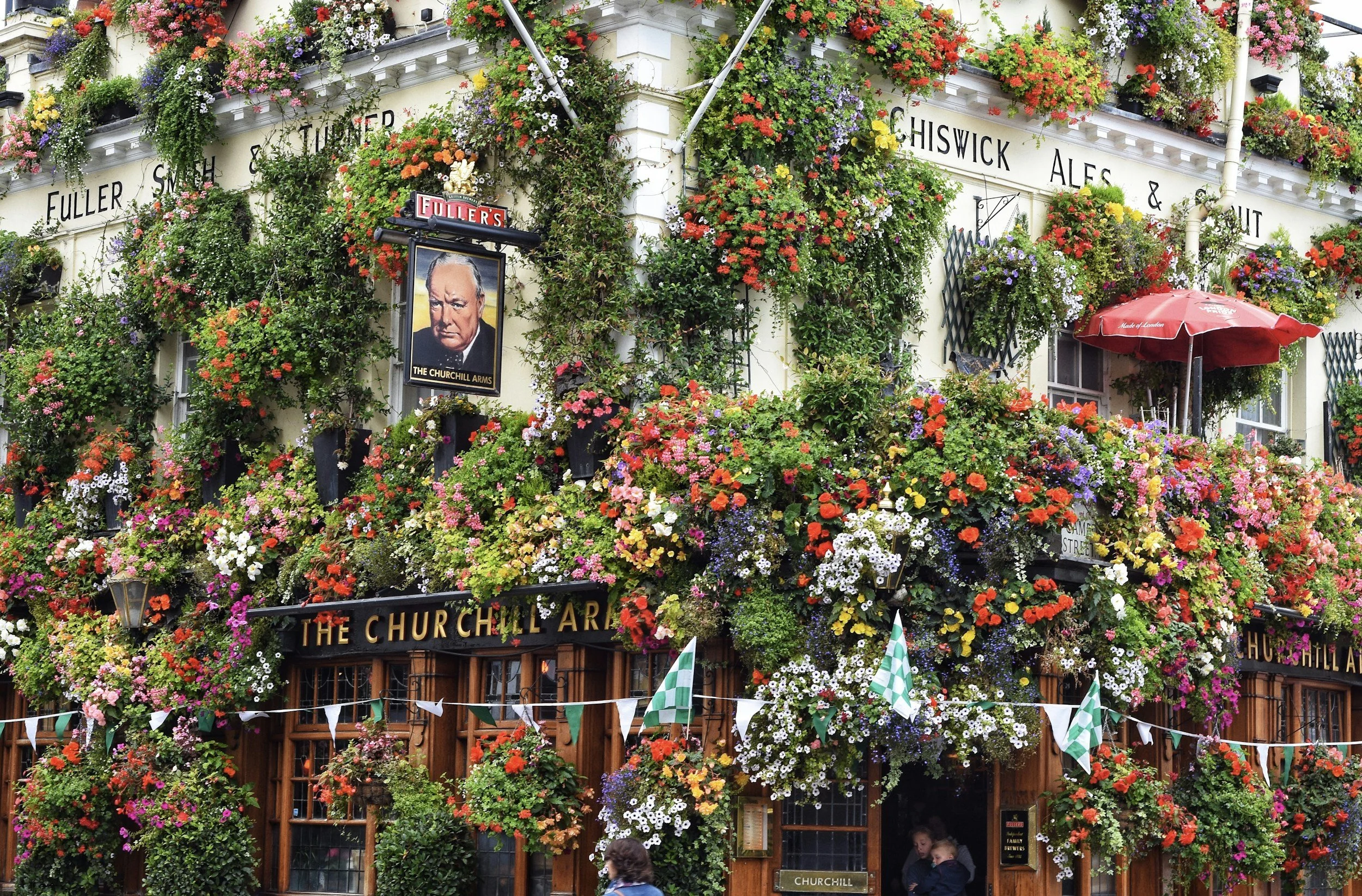
An early-morning guided tour of the Churchill War Rooms takes you through the underground bunker before it opens to the public, with time afterwards to explore the Churchill Museum. Because the guided tour is spoken, I pair it with the War Rooms' own multimedia guide, which includes a BSL tour with English captions. Induction loops are available at the guide desk, and the films in the Churchill Museum are subtitled. From there, it's about a 30-minute walk south of the river to the Imperial War Museum, which is free and moving, with six floors of personal stories from the First World War to today.
The City and the river
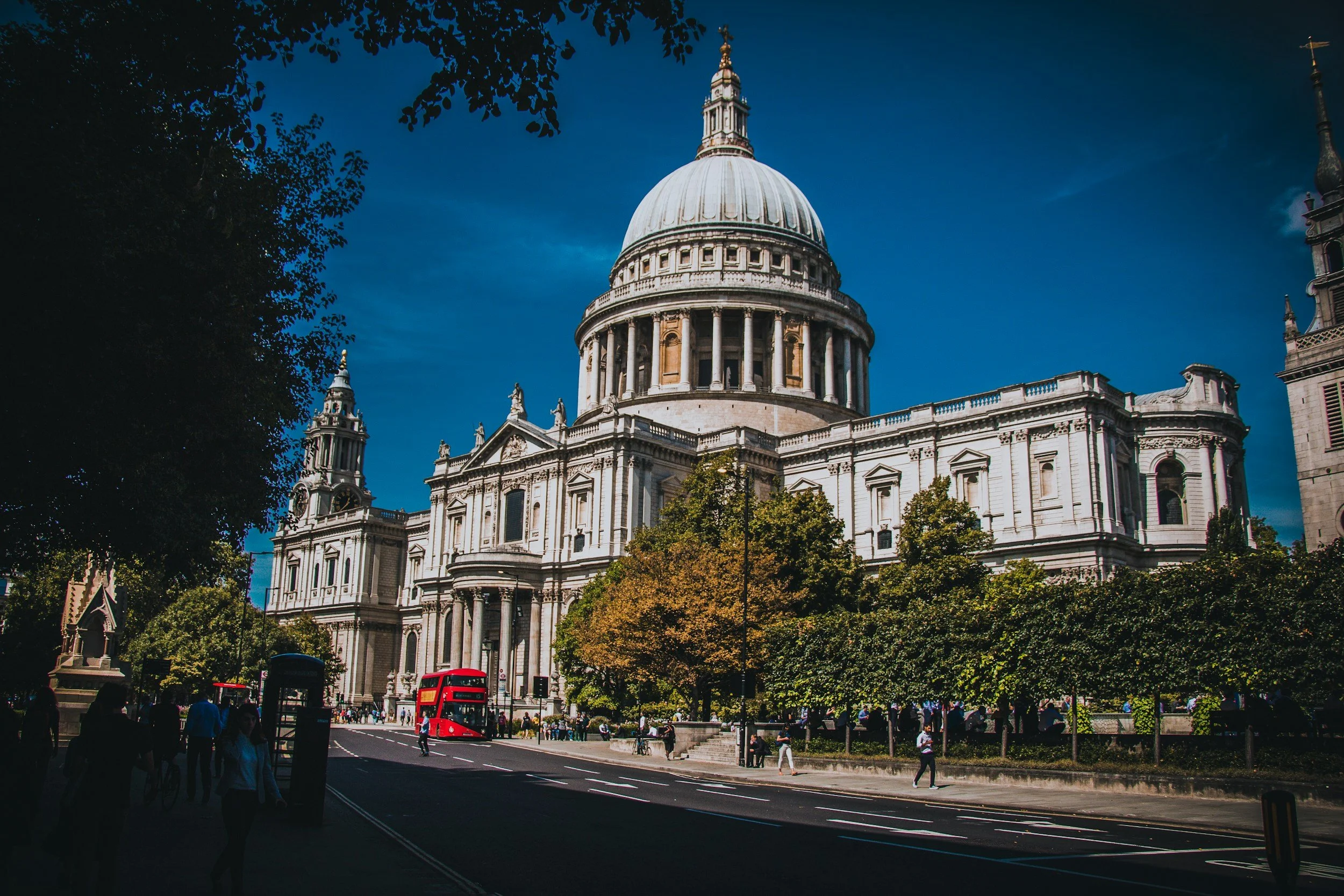
St Paul's Cathedral: Wren's masterpiece survived the Blitz. Don't miss the Whispering Gallery and the crypt, where Nelson and Wellington are buried. Climb to the Golden Gallery if you're feeling energetic.
A secret history walk: A guided walk from the Barbican through Charterhouse Square, Smithfield and the medieval church of St Bartholomew the Great reveals a darker, older London most visitors never see.
Borough Market and the South Bank: Graze through one of London's oldest food markets, then stroll west along the river past Shakespeare's Globe and Tate Modern, crossing the Millennium Bridge towards St Paul's.
Greenwich
Stand astride the Prime Meridian at the Royal Observatory, then wander down through Greenwich Park, with its sweeping views of the City, to the National Maritime Museum, the Cutty Sark and the weekend vintage market. Take a riverboat back into town for a lovely change of pace.
Notting Hill
Arrive early to wander the pastel-painted streets, browse the independent bookshops, and explore Portobello Road Market, which is busiest and best on a Saturday. Finish with a drink at the flower-covered Churchill Arms pub, then catch a West End show. Most big shows schedule captioned and BSL-interpreted performances a few times during their run, so I build the theatre night around those dates, and many theatres also have hearing loops or infrared systems.
Day trips by train
Cambridge: Under an hour from King's Cross. A student-led walking tour takes you past the Mathematical Bridge and the Senate House and inside King's College Chapel, with its spectacular fan-vaulted ceiling. In the afternoon, a shared punting tour glides you past the colleges and under the Bridge of Sighs. Have a Chelsea bun at Fitzbillies and a pint at The Eagle, where the discovery of DNA's structure was announced.
Windsor: About 30 to 40 minutes from Paddington, usually with a quick change at Slough. An expert-led tour of Windsor Castle, the oldest continuously inhabited castle in the world, covers the grounds, the Round Tower and St George's Chapel. The chapel is a working place of worship and can close at short notice.
Both walking tours are led by spoken commentary, so let the operator know in advance. A small group lets you stand close and lip-read, and a private guide can share written notes or work with an interpreter. Punting is a joy whatever your hearing: the view does most of the talking.
Off-peak rail tickets keep costs down, and you don't need to book seats for these routes. Station departure boards and on-train screens show stops and changes, but platform alterations are often announced late, so keep a rail app open for live updates.
Eat & drink
London is one of the world's great food cities, at every budget. These are the places I recommend most.
Easy and affordable
Dishoom: Bombay-café style with brilliant Indian street-food dishes. Breakfast is a favourite.
Padella: Fresh handmade pasta at Borough Market and Shoreditch. Expect a queue.
Hoppers and Bao: Sri Lankan hoppers and curries, and Taiwanese steamed buns, both reliably excellent.
Roti King: A basement Malaysian spot near Euston, famous for roti canai.
The Regency Café: A classic Westminster greasy spoon, perfect after the Churchill War Rooms.
Special but relaxed
St John, Clerkenwell: The home of nose-to-tail British cooking. Order the bone marrow and save room for the doughnuts.
Brat, Shoreditch: Basque-inspired cooking over open fire. Book a few weeks ahead.
Berenjak: Bold Persian flavours in a dark, atmospheric room.
Som Saa and Smoking Goat: Two of London's best Thai restaurants, in Spitalfields and Shoreditch.
The Canton Arms: A much-loved gastropub near the Imperial War Museum.
Simpson's in the Strand: Roast beef carved at the table in a restored historic dining room.
A big celebration
Core by Clare Smyth, Notting Hill: Three Michelin stars in a warm, elegant dining room, with British produce at the heart of every dish.
Sketch, Mayfair: Theatrical, extravagant and a lot of fun.
Sweet stops: Bread Ahead doughnuts, Benji's Buns, Peggy Porschen's floral cakes, and Prestat or Charbonnel et Walker for royal-warrant chocolates.
Lively restaurants can be very loud, which makes conversation and lip-reading hard. Ask for a corner or booth table, or a table away from the open kitchen, when you book, and choose an earlier sitting when rooms are quieter.
Good to know
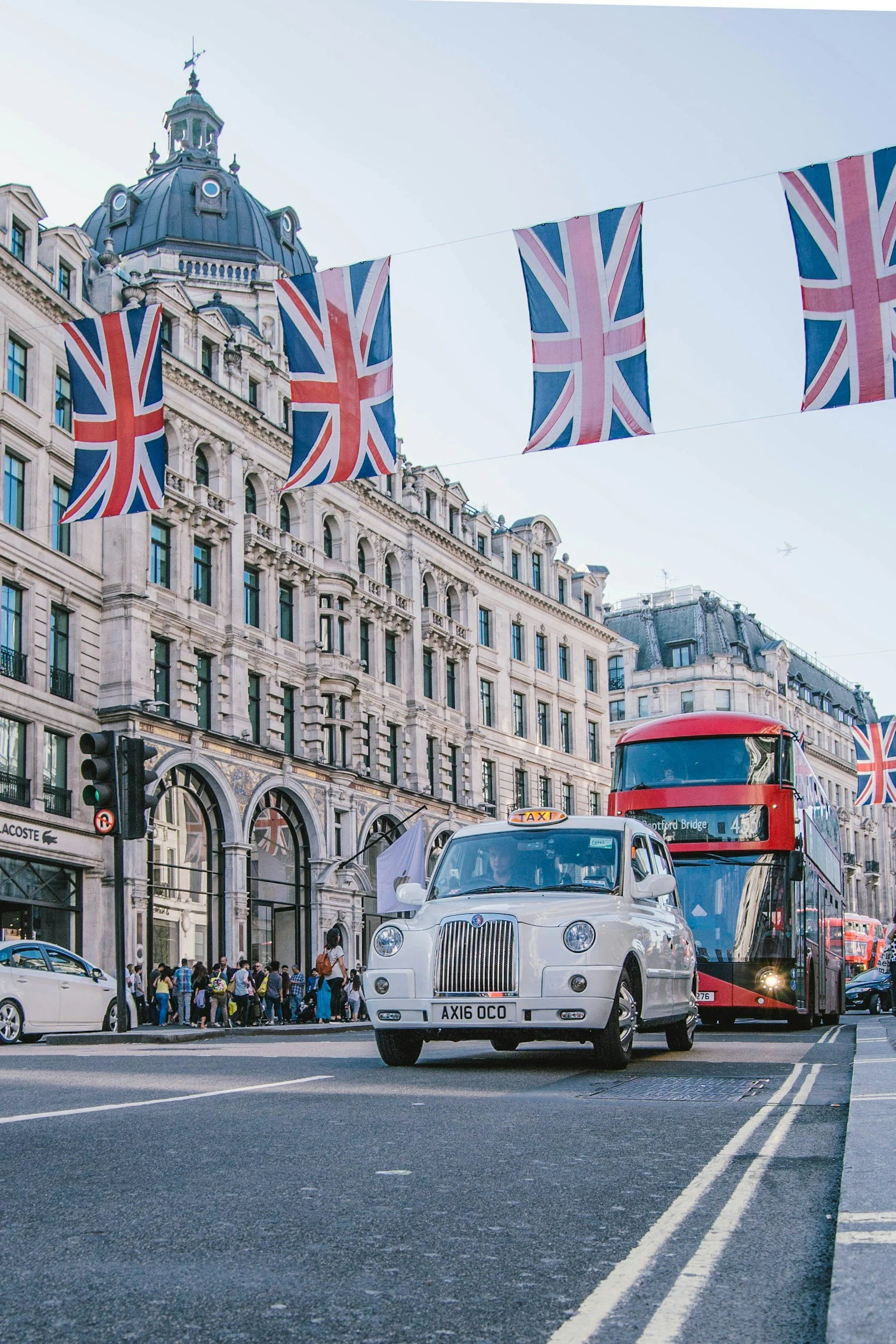
Getting around: London's Tube, buses and trains all have visual displays showing the next stop, and many ticket offices and help points have hearing loops. Tap in and out with a contactless card.
Flights: Tell your airline in advance that you're Deaf or hard of hearing, so gate staff and cabin crew can share updates in person or in writing.
Apps that help: A live-captioning app on your phone is invaluable for guided tours and conversations, and a rail app gives you live platform updates.
Pacing: Lip-reading and following captions all day is tiring. One big experience each morning, then free time, keeps the whole trip enjoyable.
Book ahead: BSL tours, captioned performances and afternoon tea all sell out, so plan your days around those dates first.
Entry requirements: US travellers need an Electronic Travel Authorisation (ETA) to visit the UK.
Plan your London trip with me
For Deaf and hard-of-hearing travellers, the difference between a good trip and a great one is in the details: the hotel team I've already confirmed will message you on WhatsApp, the hearing-impaired safety kit waiting in your room, the museum visit timed for a BSL tour, the theatre night booked on a captioned performance, and the guides who know you're coming.
