Accessible Travel Starts With a Question: How I Plan Trips Without Barriers
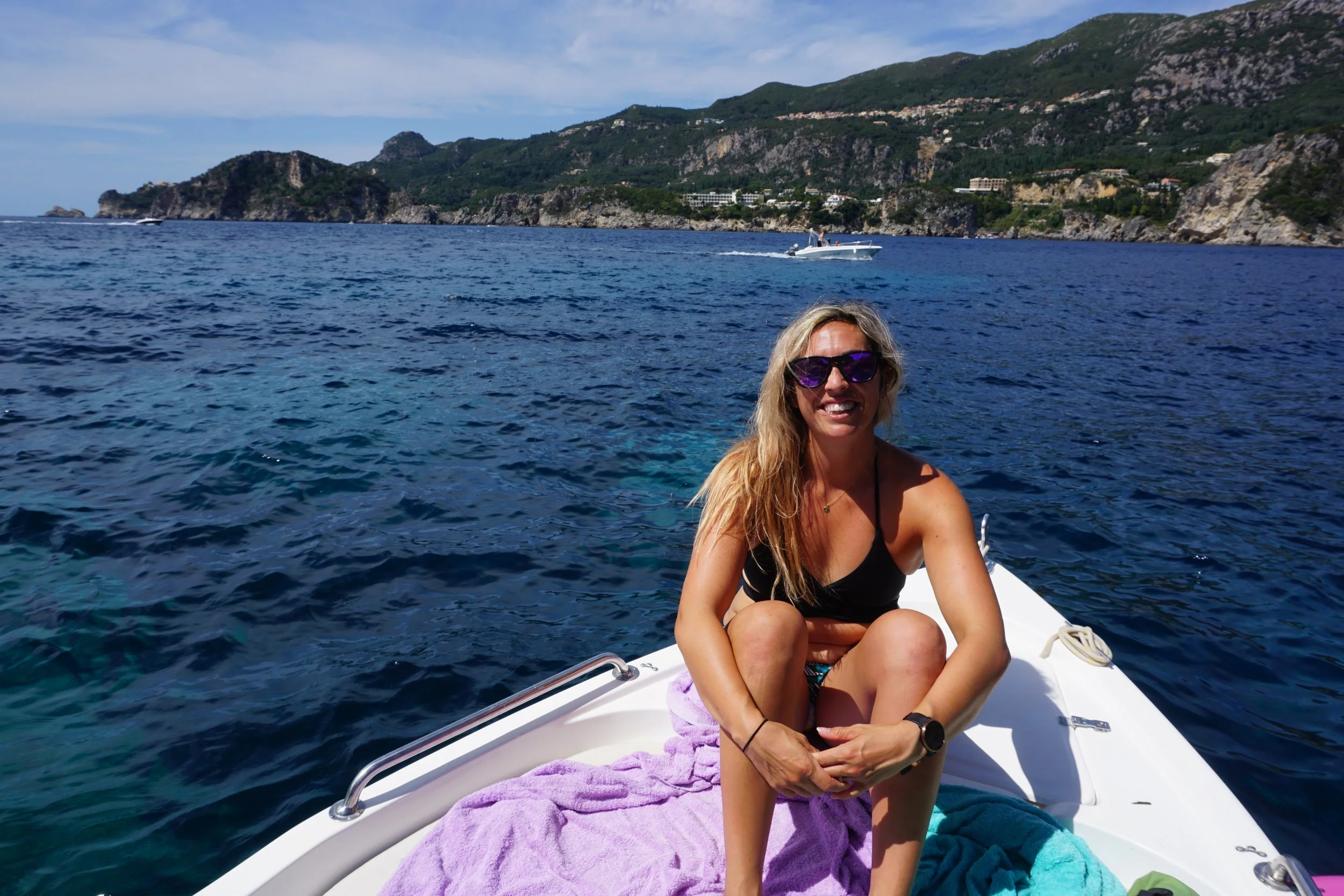
At 32, I had a stroke.
Before that, I planned trips around one question: where do I want to go? Afterwards, for a while, the question changed to: how can travel be more comfortable for me with my acquired disabilities?
If you or someone you love lives with a disability, a health condition or simply a body that has changed, you probably know that shift. It’s the reason I do what I do.
I’m Jaimie, founder of Radiant Routes, an inclusive travel agency, and a travel advisor with Fora. I’m CATP accredited through IBCCES and one of Fora’s Accessible Ambassadors. I’m also a mum of two who loves adventure travel (Patagonia is my favourite place on earth). Adventuring is still at the heart of what I love to do and plan, but it’s skewed to slower adventure, more thoughtful pacing, and time to take cognitive breaks along the way.
What is accessible travel?
This is a question I get asked frequently, and I can understand why, because accessible is really quite a broad term. Accessible travel means planning a trip so that everyone in the group has equal access to the experience, whatever their physical, sensory or medical needs. It starts with the right information, the right questions and the right partners.
It covers far more people than most of us think:
Wheelchair and mobility scooter users
Travellers who use a stick, crutches or a walker
Multigenerational families, where Grandad tires more quickly than he used to
People who are blind, partially sighted, Deaf or hard of hearing
Travellers with food allergies, coeliac disease or medical diets
People living with hidden or chronic illness
Neurodivergent travellers
The World Health Organization estimates that 1.3 billion people, around 1 in 6 of us, experience significant disability. Most of their trips are never labelled “accessible” at all. They’re just family holidays, honeymoons and milestone birthdays that need a little more thought.
Four moments that changed how I plan
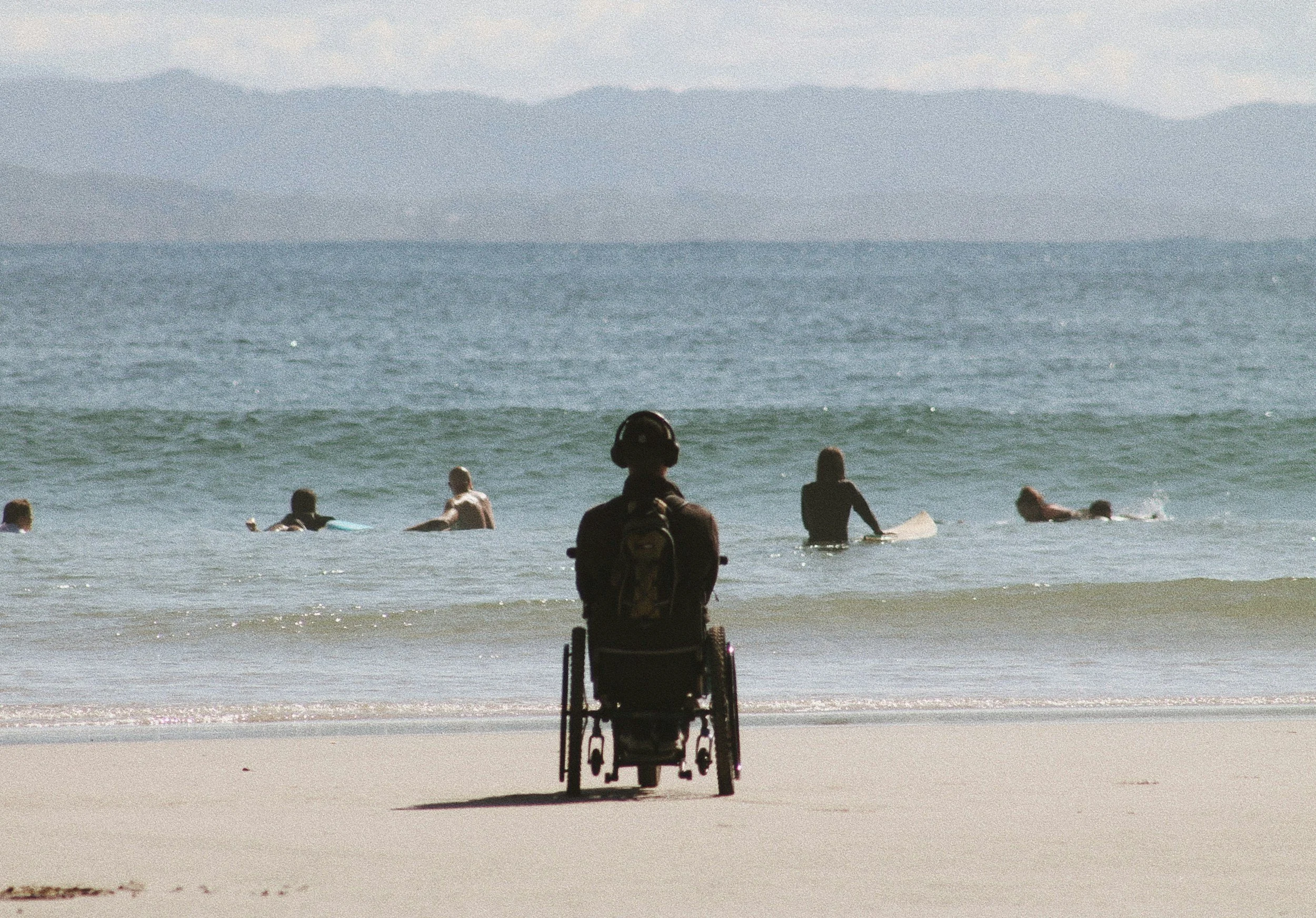
The best lessons I’ve learned have come through advocating for my clients.
The bed. One client travelled with a hoist. The hotel had confirmed an accessible room, and it was: wide doors, roll-in shower, grab rails. But the bed was the wrong height, with no clearance underneath for the hoist. An “accessible room” tells you nothing about the bed. Now I ask for the bed height, and the space underneath, it if this is what my client needs.
The wardrobe. Visually impaired clients have told me they needed extra lighting just to move around the room, and some couldn’t find the wardrobe at all. Moody lighting and hidden doors look beautiful in photos. They can leave a guest stuck. Small details matter. I ask for extra lighting and an orientation tour of the room on arrival to build confidence in my client upon arrival.
The alarm. “How would I know if there was a fire?” For guests who are Deaf or hard of hearing, especially at night with hearing aids out, that’s a real question. Safety can’t be an afterthought. I confirm a visual or vibrating alarm will be set up in the room before arrival, and we do a test run to make sure it’s operational.
The dining room. A client with a severe nut allergy was told the hotel couldn’t guarantee no nuts would be eaten in the dining room. An honest answer, and a useful one. A safe dish isn’t enough. For severe allergies, I ask about the whole dining room and plan alternatives before anything is booked. Any vague claims and responses means we will book elsewhere.
How does an accessible travel advisor plan a trip?
An accessible travel advisor plans in five steps: asking, listening, verifying, confirming in writing and staying with you while you travel. Here’s what that looks like in practice.
1. I ask every client. Not just the ones I think might need it. My opening question is simple: “Can you share anything that would help you feel comfortable and supported on this trip?” You should never have to raise it first. What I found is that many people have a request or concern that they wouldn't qualify as accessible. For me to be able to be the best advisor to them, I want to know what is going to be their level of comfort and support during their travels.
2. I listen to what you need, in your words. I’m not interested in a diagnosis. I want to know what works for you: the equipment you travel with, how far you like to walk or wheel, whether you prefer a roll-in shower or a bath, what has worked on past trips, and what has gone wrong.
3. I verify, never assume. Accessible rooms often aren’t listed online, and “accessible” means different things in different countries and at different brands. I call hotels directly, ask for photos and measurements, and listen to the tone of the answer. Open and willing is a good sign. Vague or evasive is a red flag.
4. I confirm everything in writing, then again before you go. Each hotel and supplier gets a clear note of exactly what you need, from bed height to transfers that fit your wheelchair. I reconfirm it all one to two weeks before you travel.
5. I stay with you on the trip. I check in when you arrive. If something isn’t as promised, I’m on the phone to the hotel or ground team, and I stay on it until it’s fixed.
What should I check before booking an accessible hotel room?

Photo courtesy of Pan Pacific London
Ask for specifics, not labels. These are the questions I put to hotels most often:
How wide are the doors into the room and bathroom?
Is there a roll-in shower, and can you reach the controls from the shower seat?
What is the bed height, and is there space underneath for a hoist?
Is the route from the entrance to the room, restaurant and pool step-free?
Do you have visual or vibrating fire alarm kits, and who sets them up?
Can you provide extra lighting, large print or an orientation tour?
How does your kitchen prevent cross-contact for allergies?
Accessible doesn’t mean less
The idea that accessible travel means fewer choices is outdated. In Fora’s survey of its advisors, cruises were the most requested trip type among travellers with access needs (62% of advisors said their clients were interested), followed by beach resorts (56%) and big cities (51%), with cultural itineraries, small towns and national parks close behind.
Adaptive skiing, accessible safaris and milestone celebrations in five-star hotels are all possible with the right partners. My job isn’t to say no on your behalf. It’s to show you what’s possible and let you choose.
Why I train other advisors

The more advisors who know how to ask the right questions, the more travellers get the trip they deserve.
In November 2026, I led an Accessibility Immersion Day in London for fellow Fora advisors, hosted by Kimpton Fitzroy London and The May Fair. Each advisor drew an access need at the start of the day (mobility, visual, hearing or dietary) and experienced both hotels, lunch and the journey between them through that lens. It’s one thing to read a checklist. It’s another to look for the light switch yourself.
Frequently asked questions
What does an accessible travel advisor do? An accessible travel advisor plans trips around your access needs: asking the right questions, vetting hotels and suppliers directly, confirming every requirement in writing and supporting you while you travel. I like to believe I’m your teammate in travel.
Is an “accessible room” the same at every hotel? Largely, no. In the US, the ADA standard has provided legal framework for businesses, such as hotels, to have to offer accessible rooms and infrastructure. In Europe, there’s no single standard, and features vary widely between countries and brands. Always confirm the specific features you need, ideally with photos and measurements.
How far ahead should I plan an accessible trip? Earlier than usual. Accessible rooms are limited, are often not listed online and usually need to be confirmed directly with the hotel. Especially true for cruises, in which accessible cabins book out quickly.
Can you plan adventure trips for disabled travellers? Yes. Adaptive skiing, surfing, zip lines and safaris all exist with the right suppliers, and in more destinations than you can imagine. I’ll find the options and let you decide what feels right.
Does it cost more to book with an advisor? Hotel-only bookings with me are complimentary. Full trip planning carries a one-time planning fee that covers research, planning and support before, during and after your trip.
Let’s plan the trip you actually want
Tell me where you dream of going, and who’s coming with you. I’ll take care of the questions, the details and the follow-through, so you can focus on the trip.
Email jaimie.voss@fora.travel or find me on Instagram at @travel_with_radiant_routes.
